Museum and Memorial in Sobibór
Muzeum i Miejsce Pamięci w Sobiborze
- Wheelchair: Yes
- English labels: The main places of the camp's history are marked with boards in Polish, English and Hebrew, with archival information and survivors' accounts.
- Tours in English: The museum's guides lead tours in English as well as Polish and German.
- Book a guide by phone, by e-mail or through the form on the museum's website, ideally a week before the visit; an individual visit needs no booking.
- The bookshop sells a site plan and an outline of the history in English.
- The museum's free app has an interactive map, archival photographs and survivors' accounts, and works offline.
- There is no cloakroom or left-luggage room, and part of the visit is outdoors.
- Buses run from Lublin to Włodawa; from Włodawa to the museum the only option is a taxi.
Location
What to expect
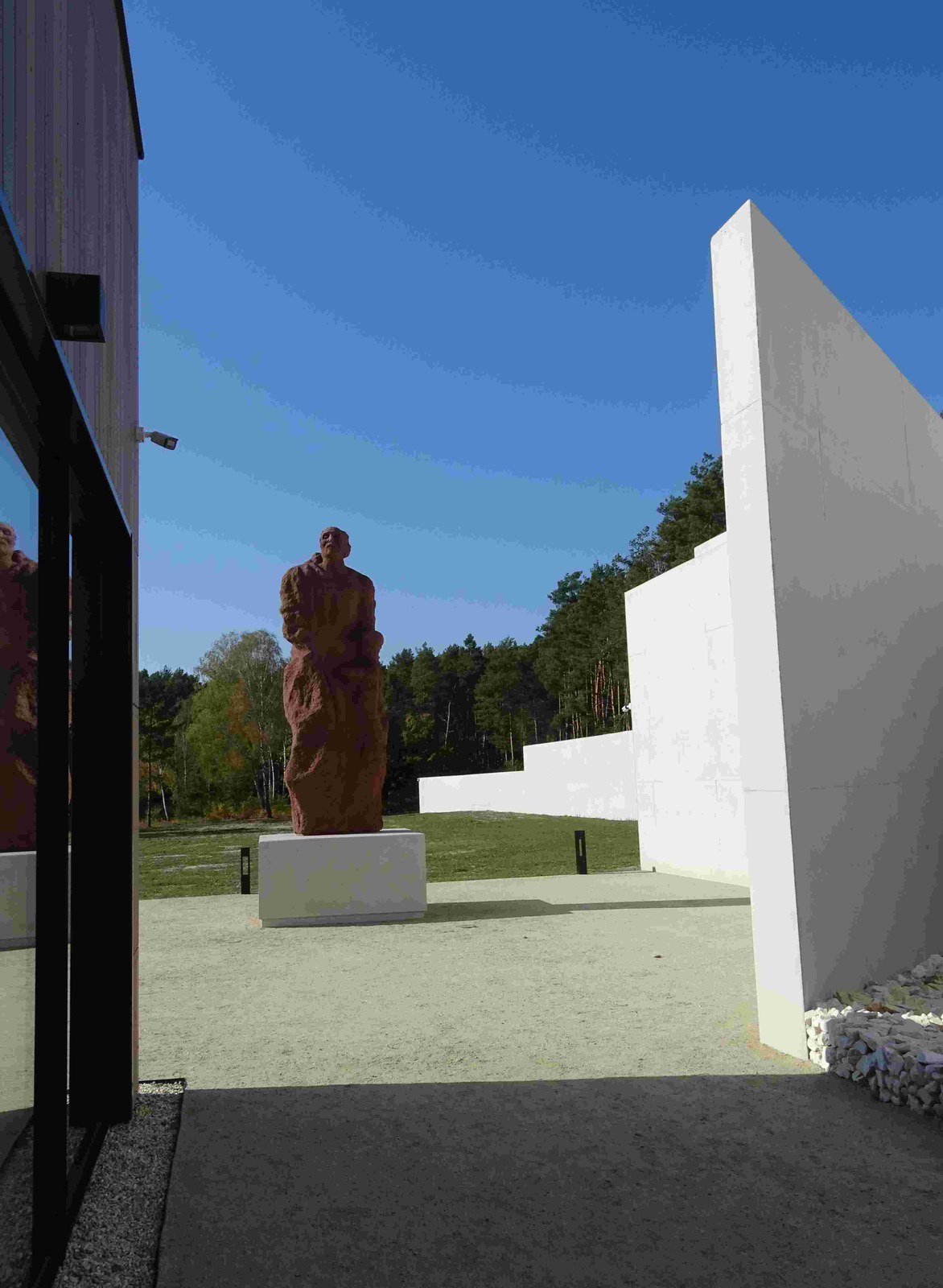
The Sobibór extermination camp operated until December 1943, and archaeologists brought its traces to light: their research yielded tens of thousands of objects and uncovered traces of the camp’s infrastructure, above all the foundations of the gas chambers. The museum in its present form opened only in 2023.
The visit falls into two parts. The first is the permanent exhibition “SS-Sonderkommando Sobibor. German Extermination Camp 1942-1943”, laid out across sixteen thematic panels. At its centre is a 25-metre display case holding more than 700 objects, most of them personal belongings of the murdered.
Smaller cases set into the walls show single objects. A scale model of the camp and multimedia projections complete the display. Since 18 March 2025 the building has also housed the temporary exhibition “The Extermination of the Jews in the German Operation ‘Reinhardt’”.
The second part is outdoors. The white walkways of the new memorial, surfaced with compacted gravel, lead from the building to the Polana Mogił (the Clearing of Graves).
The museum advises against a visit for anyone under 14 and provides no guide service for children younger than seventh-grade pupils. This is not a place you drop into on the way: the museum lies about 18 km from Włodawa and about 95 km from Lublin, and without a car the last stretch can only be covered by taxi. Come with time to spare, with adults or older teenagers.
Tips
- An hour is the minimum. The museum says a visit takes about an hour, but part of it is the outdoor route from the building to the Polana Mogił. A guided tour lasts about an hour and a half, so leave yourself time to spare even without a guide.
- Only the guide is paid for. For the grounds and the exhibition admission is free, and there is no charge for parking on the museum grounds. Guided tours have separate rates for groups of up to 10 and up to 30 people, higher in foreign languages; the prices are on the museum’s guided-tours page. Guides lead tours in Polish, English and German. Book by phone, by e-mail or through the form on the museum’s website, ideally a week before the visit; an individual visit needs no booking at all.
- Download the app before you set off. The museum’s free app guides you around the sites at Sobibór, Bełżec and Majdanek, with an interactive map, an offline mode and survivors’ accounts. The main places on the grounds are marked with boards in Polish, English and Hebrew, and the bookshop sells a site plan and an outline of the history in Polish and English.
- Check the hours and closing days. Opening hours: April-October: Tue-Sun 9:00-18:00; November-March: Tue-Sun 9:00-16:00; Mon: closed. Last entry to the grounds, and separately to the exhibition, comes before closing time; the exact times are on the museum’s opening-hours page. The coming holidays on which the museum admits no visitors are listed in the practical box.
- Prepare for the weather and for the gravity of the place. Part of the visit is spent outdoors, and the museum has no cloakroom or left-luggage room, so leave a larger bag in the car. The visiting rules require dress suited to a necropolis and forbid, among other things, smoking tobacco and e-cigarettes, bringing animals other than an assistance dog, and lighting candles and grave lanterns outside the designated places.
- A step-free building, gravel paths. The building has no thresholds and has an adapted toilet, two parking bays for disabled visitors are marked by the entrance, and you can borrow an orthopaedic wheelchair on site at no charge. The walkways to the Polana Mogił are surfaced with white compacted gravel, which is hard going in a wheelchair without pneumatic tyres.
Getting there
By car. The address is Żłobek 101; the museum stands by the settlement of Stacja Kolejowa Sobibór, about 18 km from Włodawa and about 95 km from Lublin, on regional road 812 or 816. Parking on the museum grounds costs nothing. The museum warns that until the end of December 2026 roadworks on county road 1727L may make it harder to get there.
By train. From the last weekend of June to the end of August a train on the Chełm-Włodawa line stops at Stacja Kolejowa Sobibór, every Saturday and Sunday and also on 15 August. Outside that window there is no service.
By bus and taxi. Buses from Lublin will take you to Włodawa, but from there the only way to the museum is by taxi. If you have no car, arrange the return trip right away.
Nearby
About 11 km to the north as the crow flies, at ul. Czerwonego Krzyża 7 in Włodawa, is the Museum - Synagogue Complex in Włodawa.
Sobibór’s sister branch is the Museum and Memorial in Bełżec, another former extermination camp in the care of the same institution; there archaeological research in the late 1990s located mass graves, and today’s memorial is the work of architects. The parent institution of both is the State Museum at Majdanek in Lublin - the reverse case, because 70 buildings put up by the Germans survive there, prisoner barracks among them, and the evidence is the site itself rather than objects dug out of the ground.
Background
The Sobibór extermination camp operated from May 1942 to December 1943 as one of the three centres of the German Operation Reinhardt. Historians estimate the number of Jews murdered here at about 180 thousand; in 2014 Robert Kuwałek judged 170-180 thousand to be the figure closest to the truth. On 14 October 1943 the prisoners rose up: members of the camp underground killed eleven SS men on duty, about 300 people got out of the camp and about 60 survived the war.
The first memorial to the camp’s victims was put up in 1965, and the first, small museum opened on 14 October 1993, the 50th anniversary of the revolt, in a former kindergarten building. In 2012 the memorial site became a branch of the State Museum at Majdanek, which was entrusted with creating a new museum and exhibition. An important part of that process was the archaeological research, which yielded tens of thousands of objects and uncovered the foundations of the gas chambers.
The permanent exhibition opened on 29 October 2020, and the new museum, together with a memorial that helps visitors read the historical landscape of Sobibór, opened to visitors on 13 October 2023. Among other honours, the project received a commendation in the European Museum of the Year 2024 competition, and according to Radio Lublin it also won the “Investments” category of the Sybilla 2023 competition.
Temporary exhibitions here
The Extermination of Jews in the German "Reinhardt" Operation
from 18 March 2025
A temporary exhibition on the extermination of Jews in the General Government during the German 'Reinhardt' operation, prepared for its 80th anniversary.
Nearby museums
 Culture
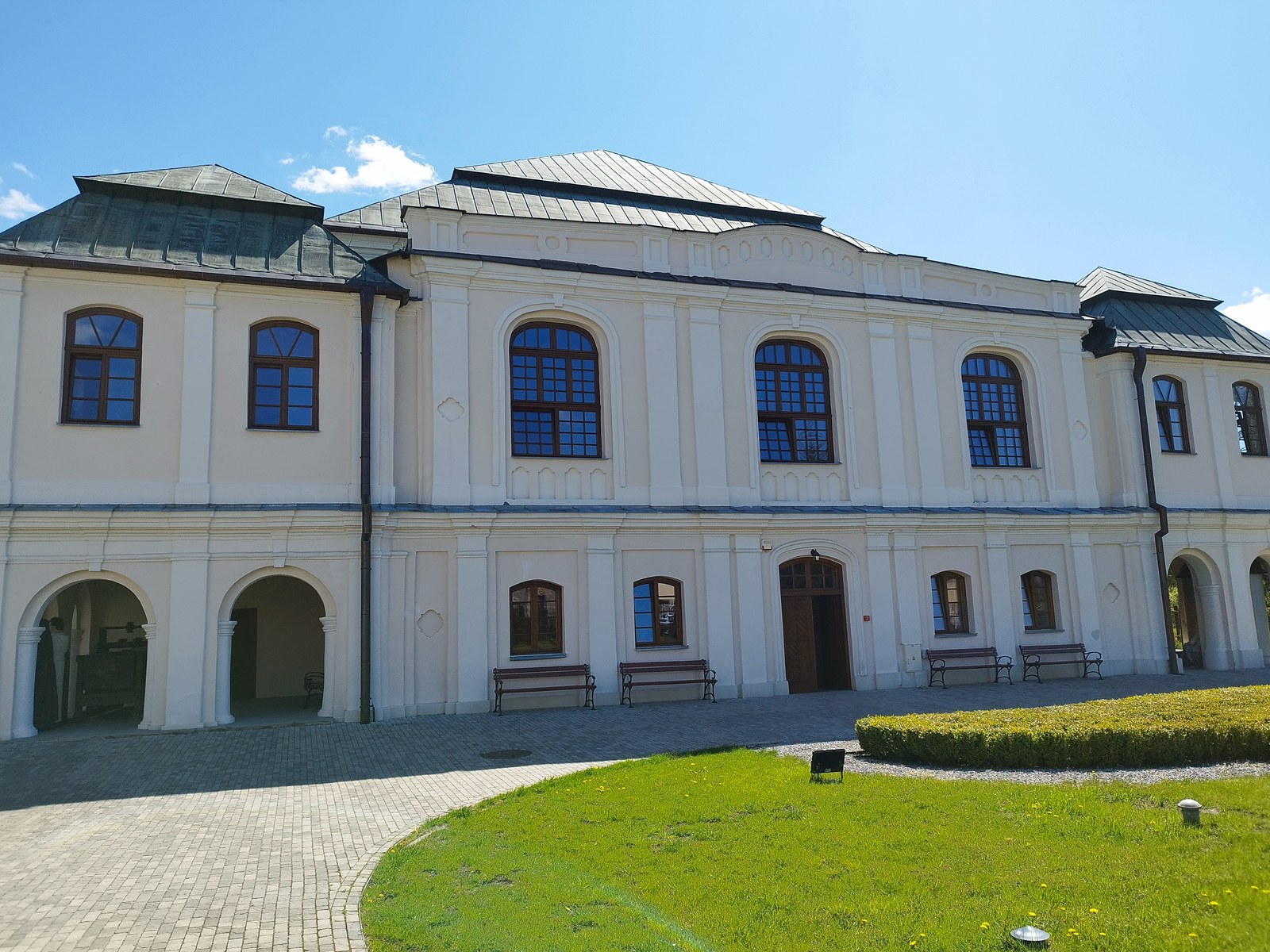
Museum - Synagogue Complex in Włodawa
ul. Czerwonego Krzyża 7, 22-200 Włodawa
The Włodawa synagogue complex in eastern Poland: a Great Synagogue of 1764-1774, an older study house and the kahal house. Hours, tickets …
 History
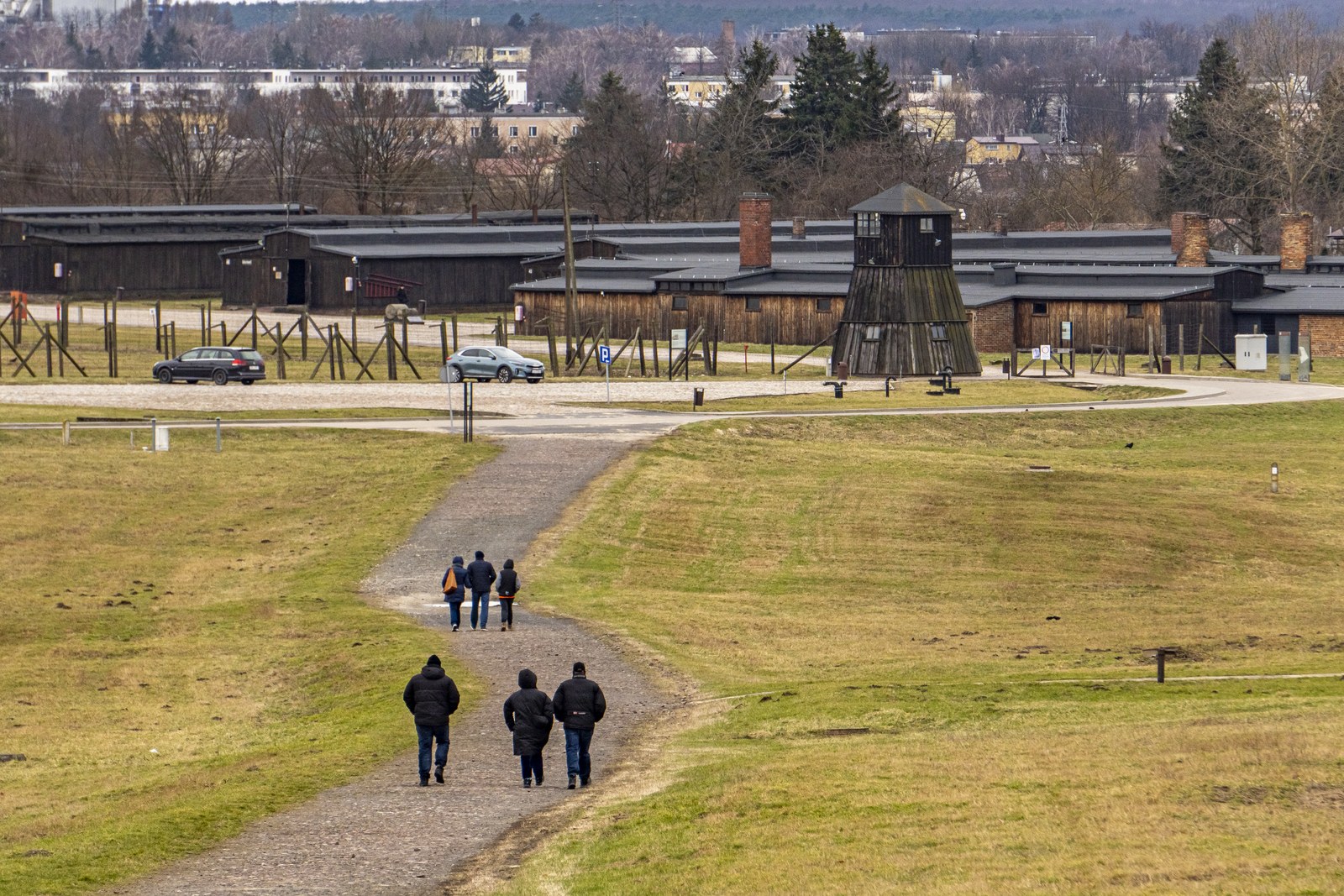
State Museum at Majdanek
ul. Droga Męczenników Majdanka 67, 20-325 Lublin
The Lublin concentration camp memorial at Majdanek: 70 surviving KL Lublin buildings, the Prisoners of Majdanek exhibition and a route of …
 History
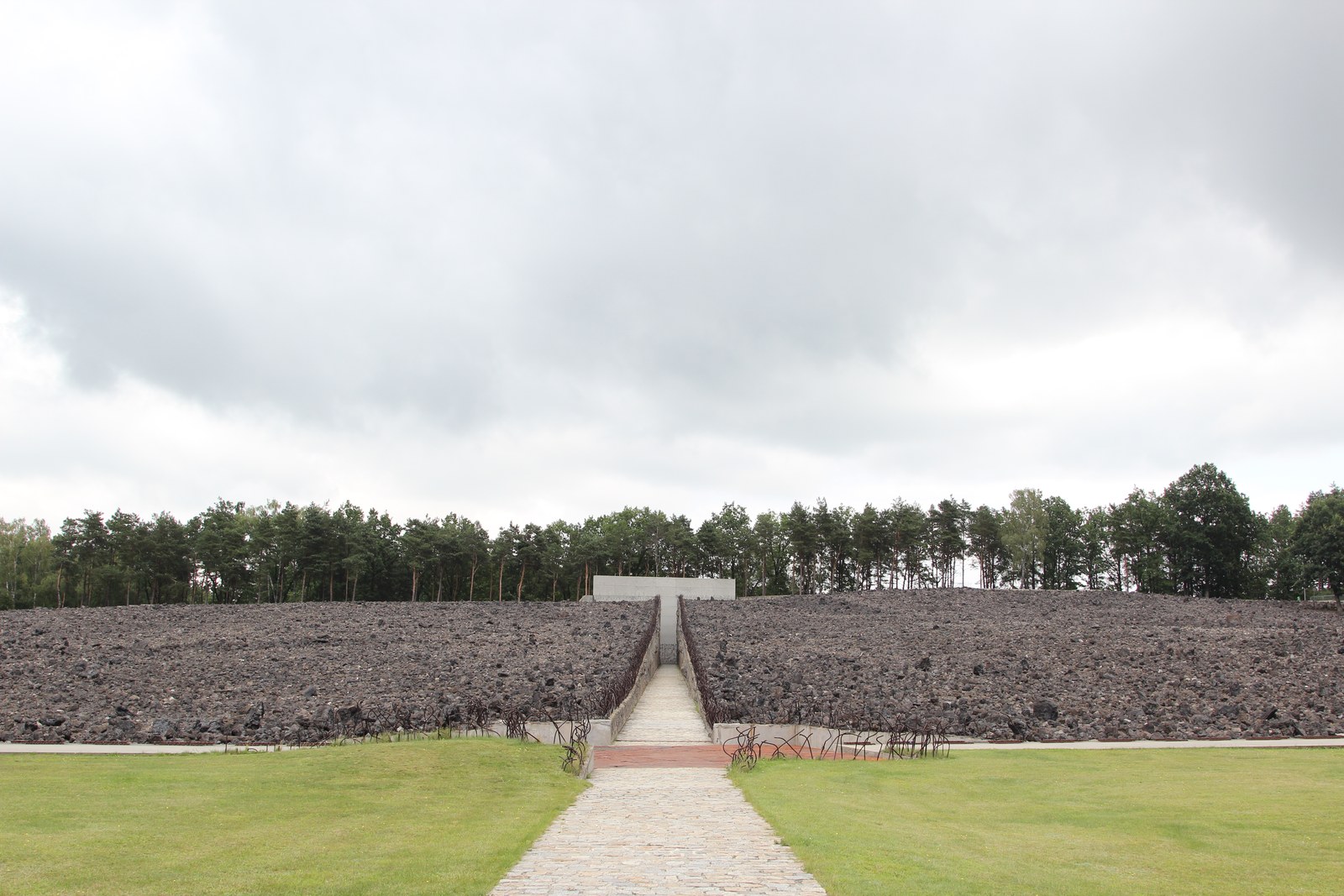
Museum and Memorial in Bełżec
ul. Ofiar Obozu Zagłady 4, 22-670 Bełżec
The Bełżec extermination camp, 1942: a museum and memorial built in 1997-2004, an exhibition in five zones, the Crevasse and the Ohel Niche. …