Silk and Splendor: Kontusz Sashes in the Collection of Wawel Royal Castle
20 November 2026 - 14 February 2027
The exhibition “Silk and Splendor: Kontusz Sashes in the Collection of Wawel Royal Castle” (Bogate y jedwabne. Pasy kontuszowe z kolekcji Zamku Królewskiego na Wawelu) runs 20 November 2026 - 14 February 2027 and shows 63 objects from the Wawel collection. Its subject is the kontusz sash: the workshops that made it, the fashion for it and the history of the collections that saved it. The curator is Magdalena Ozga, custodian of the castle and head of its Textiles Department.
Wawel Royal Castle on the exhibition:
They spoke of status, showed taste and dazzled with craftsmanship. In time they also became a symbol of Polishness. Kontusz sashes are not only remarkable works of old craft but also a testimony to fashion, customs and history. Discover their colourful world at the exhibition “Silk and Splendor: Kontusz Sashes in the Collection of Wawel Royal Castle”.
What to expect
The core of the Wawel sash collection, on which the exhibition is built, is 30 sashes from the Sapieha family collection. They are joined by nine textiles from the Grocholski collection and single sashes from the Pusłowski, Rey and Kowalski collections.
The exhibition introduces the main centres of sash production, but also shows lesser-known textiles from provincial workshops. Portraits, mostly from the Wawel collection, set the sashes in the context of dress. Two further threads are the changes in men’s national dress from the 18th to the 20th century and the history of the collections that allowed these textiles to survive.
A scholarly catalogue of the Wawel collection accompanies the exhibition. The castle’s online shop sells Magdalena Ozga’s catalogue “Pasy jedwabne w zbiorach Zamku Królewskiego na Wawelu”, volume 23 of the series “Katalogi Zbiorów Zamku Królewskiego na Wawelu”. Across 294 pages it describes 63 silk sashes: Polish and French kontusz sashes and Eastern sashes.
Context
In the 18th century the kontusz sash was an essential part of men’s national dress. According to the Polish Wikipedia it was 3 to 4.5 m long and about 40 cm wide, and it was worn with the kontusz mainly by the nobility of the Crown and Lithuania.
The fashion for sashes lasted from the mid-18th to the early 19th century. It returned in the second half of the 19th century, when the kontusz became a sign of Polishness, especially in the Austrian partition.
The English Wikipedia says that the first such sashes were imported from Persia and Turkey. According to the announcement of the curator’s lecture, the first Polish workshops were founded for the Radziwiłł princes, first in Nieśwież and then in Słuck. Later they were joined by Grodno, Warsaw, Lipków, Krakow, Kobyłka and Lyon in France. According to the English Wikipedia, the sashes from Słuck were the most desirable and the most expensive.
Tickets and time
Ticket: the exhibition has its own ticket, full-price and reduced, sold at the ticket offices and online. The same ticket covers the exhibition “Oświecone. Sztuka światła”, so the two are best seen in one visit.
Castle tickets: the Zamek (Castle), Zamek piętro 1. (Castle First Floor) and Zamek piętro 2. (Castle Second Floor) tickets also admit to the exhibition. If you are touring the castle with one of them anyway, you do not need a separate exhibition ticket.
When: the exhibition is closed on Mondays, and open on the other days at the same hours, for example on Tuesdays 9:00-17:00. The exhibition’s page also lists a few holidays around the turn of December and January when the exhibition is closed; if you plan to visit then, check them at the source.
Where: you enter the exhibition from the arcaded courtyard of Wawel Royal Castle. Participants in tours and sessions also gather at this entrance.
Time needed: this is our estimate, not the museum’s: with 63 objects, allow about an hour for the exhibition itself, which is also how long the curator’s tour lasts. If you are also seeing “Oświecone” on the same day, which the same ticket covers, add time for the second exhibition.
Who it is for: people interested in historical dress, textile art and the customs of the nobility, and in how the sash went from a fashion item to a sign of Polishness. The curator’s tours and lecture are for young people aged 16 and over and adults. The December session in the series “Spotkania w przyjaznym tempie” (Meetings at a Friendly Pace) is open to all and invites, among others, people living with dementia, their families and neurodivergent people.
Who can skip it: anyone looking above all for painting. The portraits here accompany the sashes and show them in the context of dress, while textiles are at the centre of the exhibition.
Events
- 26 November 2026, 18:00 - online lecture by the curator Magdalena Ozga, “Kolekcja pasów kontuszowych Zamku Królewskiego na Wawelu” (The Kontusz Sash Collection of Wawel Royal Castle), on the MS Teams platform; for young people aged 16 and over and adults, free of charge - exhibition page
- 2 December 2026, 10:00-11:00 - curator’s tour in the exhibition rooms; for young people aged 16 and over and adults, 15 PLN, tickets online - event page
- 10 December 2026, 10:00-12:00 - “Tkane złotem i jedwabiem” (Woven with Gold and Silk), a session in the series “Spotkania w przyjaznym tempie” (Meetings at a Friendly Pace), open to all; meeting point on the arcaded courtyard at the exhibition entrance; 1 PLN per participant, a carer of a person with dementia free of charge. The art activities take place in a first-floor room in a building without a lift - event page
- 23 January 2027, 10:00-11:00 - curator’s tour; for young people aged 16 and over and adults, 15 PLN, online sales open 60 days before the date - event page
- 13 February 2027, 10:00-11:00 - curator’s tour in the exhibition rooms; for young people aged 16 and over and adults, 15 PLN, online sales open 60 days before the date - event page
See also
Other exhibitions in Krakow:
- Anna Jagiellon. All the Faces of the Queen
- Moda Polska (Polish Fashion) in the Collection of the National Museum in Krakow
- Citizen Cepelia
Up-to-date information on the exhibition is on its page on the Wawel Royal Castle website.
Museum profile: Wawel Royal Castle.
Curator
Magdalena Ozga
Tickets and access
The exhibition has its own ticket, full-price and reduced, sold at the ticket offices and online; it also covers the exhibition "Oświecone. Sztuka światła". The Zamek (Castle), Zamek piętro 1. (Castle First Floor) and Zamek piętro 2. (Castle Second Floor) tickets also admit to it.
- The castle publishes an English page for the exhibition on its website, under the title "Silk and Splendor: Kontusz Sashes in the Collection of Wawel Royal Castle".
Nearby
 History
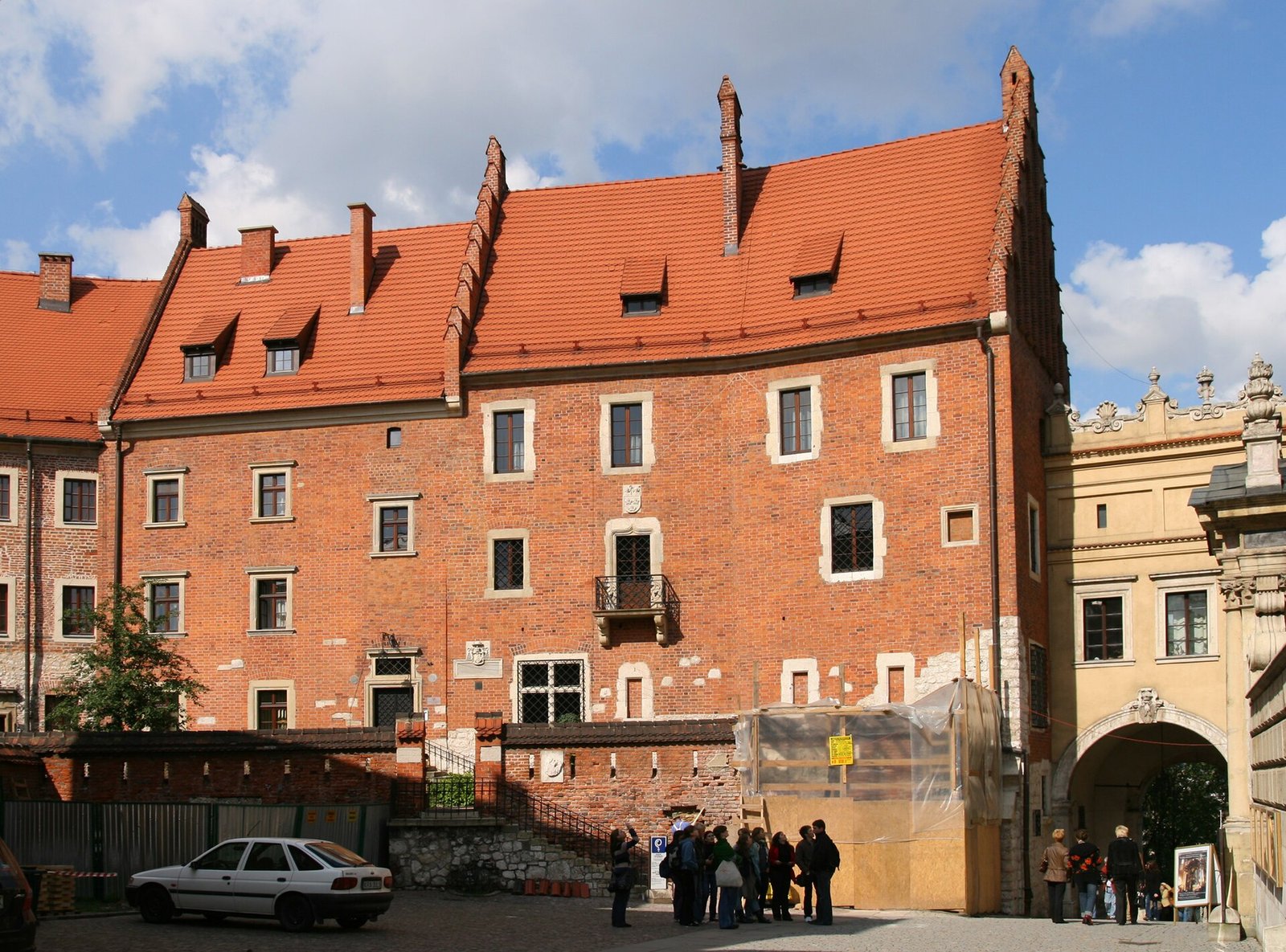
John Paul II Cathedral Museum on Wawel Hill
Zamek Wawel 3, 31-001 Kraków
Wawel Cathedral Museum in Krakow - the cathedral treasury on Wawel Hill, distinct from the Royal Castle. Polish regalia, open Mon-Sat 9-17 …
 History
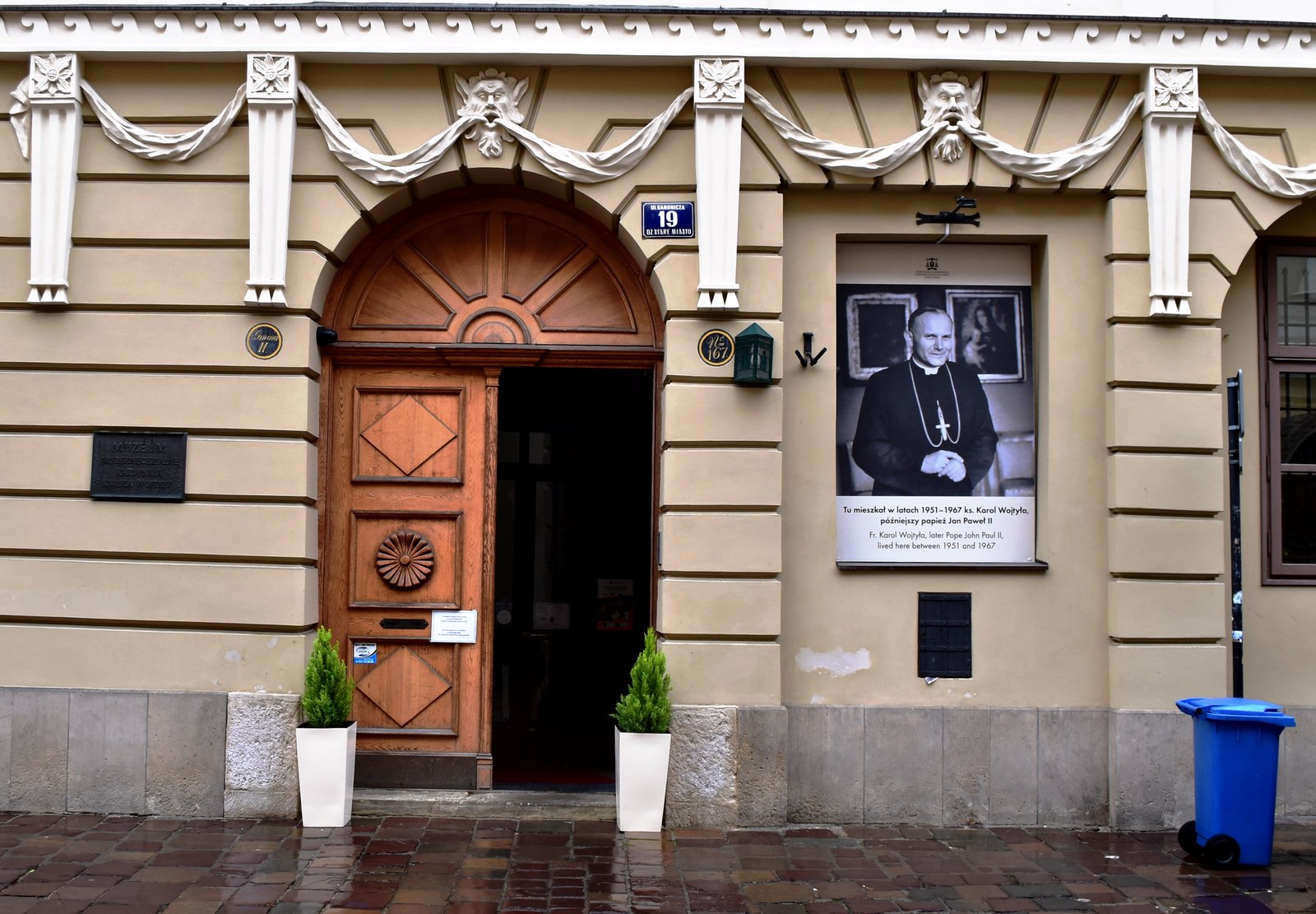
Archdiocesan Museum in Krakow
ul. Kanonicza 19-21, 31-002 Kraków
Archdiocesan Museum Krakow on Kanonicza Street - sacred art and Karol Wojtyla's former home. Tickets 10/6 PLN, Tue-Sun 10:00-17:00.
 Art
Bishop Erazm Ciołek Palace
ul. Kanonicza 17, 31-002 Kraków
Bishop Erazm Ciolek Palace - medieval Polish art and icons near Wawel. Hours, tickets 18/14 PLN, free Tuesdays, directions.
 History
Historical and Missionary Museum of the Congregation of the Mission in Krakow
ul. Stradomska 4, 31-058 Kraków
Mission history museum Krakow on Stradom - China mission relics and the story of the Vincentians. Opening hours, how to visit, near Wawel.
Attyka Art Gallery
ul. św. Gertrudy 23, 31-048 Kraków
Attyka Art Gallery at ul. św. Gertrudy 23, Krakow: paintings, drawings, prints and sculpture by Polish artists, for sale. Who it suits, …
Commercial gallery: the works on show are for sale
 Science
Krakow Pinball Museum
ul. Stradomska 15, Kraków
Krakow Pinball Museum - play vintage pinball and arcade machines in a 15th-century cellar near Wawel. Unlimited free play, open 7 days a …
Temporary exhibitions on now in Krakow
Tomasz Górnicki and Igor Dobrowolski. Underneath
24 October 2026 - 29 November 2026
Sculpture and painting on homelessness and depression in abandoned palace cellars at Piłsudskiego 4: Bunkier Sztuki, from 24 Oct 2026, booking, adults only.
New Forms, Old Inspirations - An Exhibition of Ceramics and Linocuts
30 October 2026 - 30 November 2026
Ceramics and linocuts by art therapy group participants, inspired by old and contemporary masters. A free exhibition at Krzysztofory Palace, Krakow.
Polish Design: Object Biographies / Designer Biographies
23 September 2026 - 13 December 2026
Sixteen Polish designers and studios, their work shown next to the personal things they live and work with. Bunkier Sztuki, Krakow, until 13 December 2026.
Zofia Kulik. Instead of Sculpture. Footnotes
3 October 2026 - 20 December 2026
Zofia Kulik's 1971 diploma: nearly 500 slides instead of a sculpture, shown in a Polish museum for the first time. MuFo Rakowicka, 3 Oct - 20 Dec 2026, 5 PLN.
Vincent van Gogh: Country Cottages Among the Trees
29 January 2026 - 31 December 2026
The only van Gogh in a Polish public collection: a small 1883 landscape in the National Museum in Krakow, on view until 31 December 2026, on the branch ticket.
In the Paris Atelier of Stanisław Wyspiański and Józef Mehoffer
26 June 2026 - 31 December 2026
Wyspiański and Mehoffer drawing each other in 1890s Paris, plus a pastel of their studio: a small display at the Wyspiański Museum, 18 PLN, until 31 Dec 2026.