John Paul II Cathedral Museum on Wawel Hill
Muzeum Katedralne im. Jana Pawła II na Wawelu
830 m from Rynek Główny in Krakow See museums near Rynek Główny in Krakow
Location
What to expect
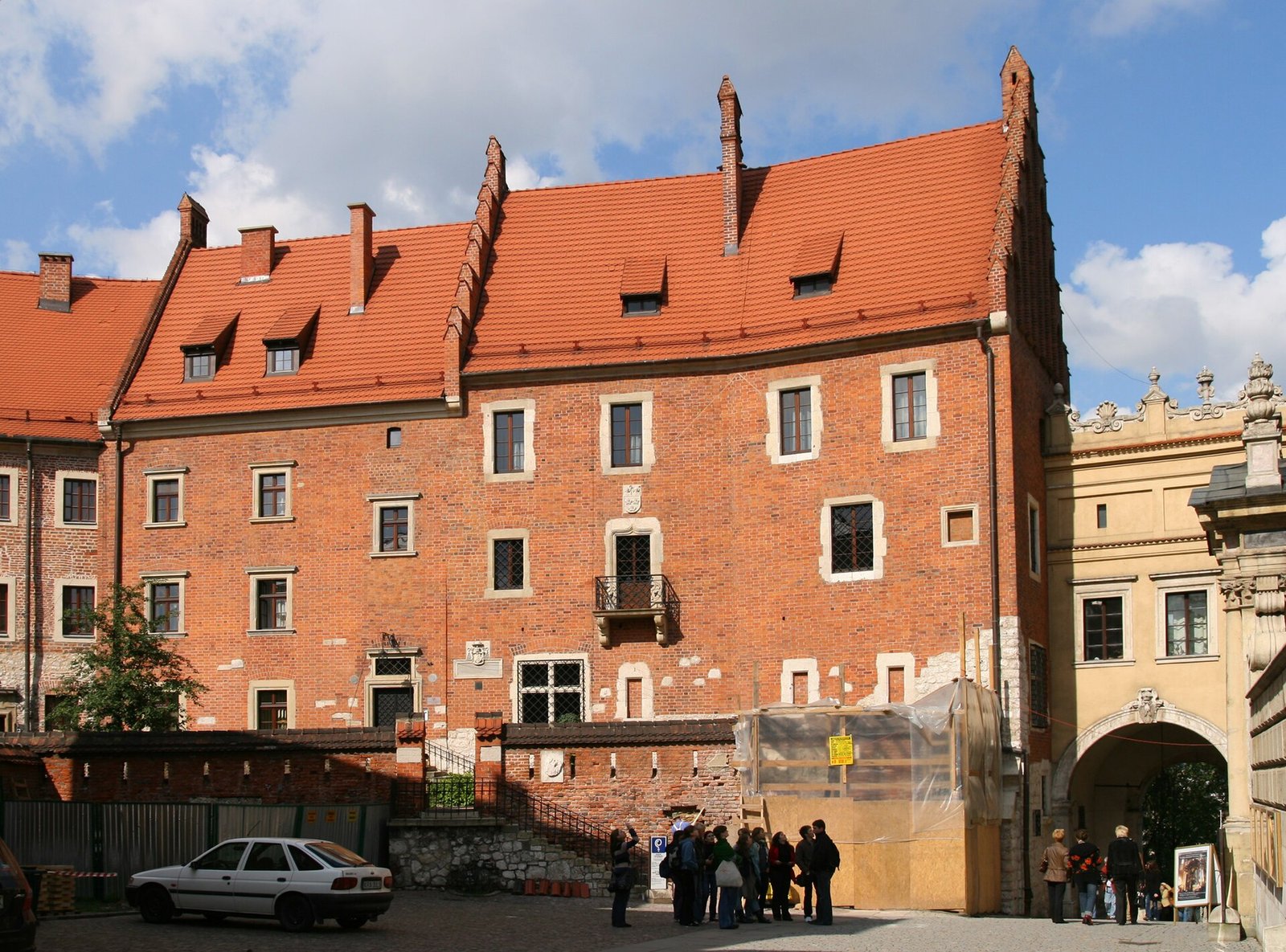
Give it 30 to 45 minutes and you get the part of Poland’s royal story that the castle does not hold. The Wawel Cathedral Museum is the cathedral’s own treasury, owned by the archcathedral parish rather than the state-run Royal Castle, and the cathedral ticket already covers it. Many visitors walk past it all the same: the Krakow sightseeing guide krakowzwiedzanie.pl calls it “often unfairly skipped”.
If you are short on time, look for two things. The first is the head of the Spear of St Maurice, a copy of the emperors’ Holy Lance that Otto III gave Bolesław Chrobry at the Congress of Gniezno in 1000. Wikipedia calls it the first historical insignia of power used by the Piast rulers, and only the blade survives. The second is a small coconut-and-silver cup, Cardinal Wojtyła’s gift to the museum on opening day, which tradition, as Wikipedia records, ties to Queen Jadwiga.
Beyond those two, sort what you see into crown and church. On the crown side, the spear’s natural partner is the Szczerbiec sword in the castle’s Crown Treasury, which Wikipedia calls the only surviving Piast coronation insignia: two symbols of one dynasty, two owners, one hill. Nearby are the crown, sceptre and orb made in 1492 for the tomb of Kazimierz Jagiellończyk, and the velvet mantle in which Stanisław August Poniatowski, Poland’s last king, was crowned in 1764.
The church answers with the Kmita chasuble, whose embroidery shows seven episodes from the life of St Stanislaus, the cathedral’s patron; the voivode Piotr Kmita gave it in the early 16th century. Karol Wojtyła’s cardinal’s cassock and biretta wait in the papal room, which comes last. The four small rooms on two floors are only loosely chronological (the two treasury rooms split the 11th-16th and 17th-20th centuries), with glass cases and labels and no screens or touch tables.
Worth it if Polish royal and church history interests you, and an easy yes for anyone already holding a cathedral ticket. Skip it if you have a single afternoon on Wawel and want it for the castle apartments. Four rooms of glass cases with nothing to press will probably hold younger children for less time than adults.
Tips
- One ticket, five sights. 26 PLN standard, 18 PLN reduced, covering the cathedral, the Sigismund Bell tower, the royal crypts, this museum and the Archdiocesan Museum down on Kanonicza Street. If you are going into the cathedral at all, the museum is already paid for.
- Allow 30-45 minutes. That is four rooms at an unhurried pace. Budget around two hours for the whole cathedral ticket, crypts and bell tower included.
- Come just after 9:00. The rooms are narrow and guided groups reach the hill from late morning. Last admission is 30 minutes before closing.
- Hours shorten in winter. The visiting regulations split the year: Monday to Saturday 9:00-17:00 from April to October, 9:00-16:00 from November to March. On Sundays and public holidays the museum stays shut, even though the cathedral itself opens on Sundays at 12:30.
- Photos for your own use are allowed. Under the regulations of April 2026, amateur photography and filming without flash, tripod, selfie stick or gimbal is permitted at your own risk, for private use only and with no right to publish.
- Cover your shoulders and back. This is a working cathedral and the dress rule is checked at the door, not at the ticket desk.
- Labels and audio guide. The museum does not publish which languages its labels use, so treat Polish-only as the safe assumption and read up before you go. An audio guide costs extra (41 PLN standard, 29 PLN reduced with the ticket) and covers both the cathedral and the Cathedral Museum collection (about 20 minutes for the museum part).
- The museum publishes no accessibility information - call the Information Centre on +48 12 429 95 16 before visiting. The collection sits on two floors of a historic house.
Getting there
On foot: ten minutes from the Main Square down Grodzka Street, in through the Herbowa Gate and up the ramp to the courtyard. The ticket office is in the building facing the cathedral, not at the museum entrance.
Tram: stops Wawel and Stradom at the foot of the hill, then a five-minute climb.
Bus: the Wawel stop on Stradomska Street and the Vistula boulevards serves the hill.
By car: there is no visitor car park on the hill and the whole area is paid parking. The Powiśle street car park and the riverside spaces below the castle are the closest, and both are expensive in season.
Nearby
- Wawel Royal Castle shares the courtyard and nothing else. Separate institution, separate ticket office, capped numbers on the state rooms - book those online first, because they set the shape of your day on the hill.
- Archdiocesan Museum on Kanonicza Street is included in the same ticket, so the ten-minute walk downhill costs nothing extra. Historic sacred art, plus the rooms where Karol Wojtyła lived.
- Bishop Erazm Ciołek Palace stands a few doors along the same street with medieval Polish religious painting and sculpture on a scale the cathedral treasury cannot match.
Background
The marble plaque above the door commemorates the diocesan museum Cardinal Jan Puzyna founded in this house in 1906. Church treasures have been on show here, with a short gap in the 1970s, for over a century. Wikipedia describes two medieval houses, a royal one founded by Casimir the Great (a granary from 1381) and the old home of the cathedral mansionaries. The Chapter bought both in 1901, and Zygmunt Hendel joined them in 1904-1905 to Sławomir Odrzywolski’s plans.
A cardinal opened the museum, and it bears the name of the pope he became. The opening day, 28 September 1978, was the 20th anniversary of Karol Wojtyła’s consecration as bishop, and also the day John Paul I died in Rome. Wojtyła made no further official appearance on Wawel as a cardinal: eighteen days later, on 16 October, the conclave elected him pope, and the Cathedral Chapter then named the museum after John Paul II.
What changed in 1975 mattered more than the ceremony. Wojtyła moved the old diocesan museum off the hill (its successor, the Archdiocesan Museum, is now on Kanonicza Street) and handed the empty rooms to the cathedral’s own holdings. According to Wikipedia, most of what went on show came from the Cathedral Treasury and had not been accessible to visitors before. A house that had displayed diocesan collections since 1906 became the showroom of the cathedral’s treasury.
What the cases hold is a remnant. The treasury’s earliest inventory, drawn up under Bishop Czasław in 1101, lists 303 items, and one from 1563 counts more than 120 chalices and 600 vestments. The Swedish wars of the 17th century and later conflicts brought looting and melted silver. Until the reign of Władysław Łokietek, the cathedral treasury also kept the coronation insignia, before a separate crown treasury was founded.
Temporary exhibitions on now in Krakow
Nowa Huta - Dimitrovgrad
10 September 2026 - 10 November 2026
An open-air show by the Nowa Huta Museum on Aleja Róż sets Nowa Huta beside Dimitrovgrad in Bulgaria, a town built from 1947. Until 10 November 2026.
Akitsushima. The Island of Dragonflies
19 July 2026 - 11 November 2026
The dragonfly in Japanese culture - from the country's oldest name to samurai symbolism - told through a collection of Japanese armour at the Manggha Museum.
Warrior Women: Japanese Herstories
19 July 2026 - 11 November 2026
Onna bugeisha - women trained in martial arts - in Japanese ukiyo-e prints. An exhibition at the Manggha Museum on strength, strategy and collective memory.
Tomasz Górnicki and Igor Dobrowolski. Underneath
24 October 2026 - 29 November 2026
Sculpture and painting on homelessness and depression in abandoned palace cellars at Piłsudskiego 4: Bunkier Sztuki, from 24 Oct 2026, booking, adults only.
Girls from the Clouds - 95th Anniversary of the 1st Women Aviators’ Rally around Poland
7 March 2026 - 30 November 2026
The 1931 rally of four women pilots around Poland: photographs and Maria Wardasówna's keepsakes in Hangar 5 of the Polish Aviation Museum, until 30 November.
Polish Design: Object Biographies / Designer Biographies
23 September 2026 - 13 December 2026
Sixteen Polish designers and studios, their work shown next to the personal things they live and work with. Bunkier Sztuki, Krakow, until 13 December 2026.
Nearby
 History
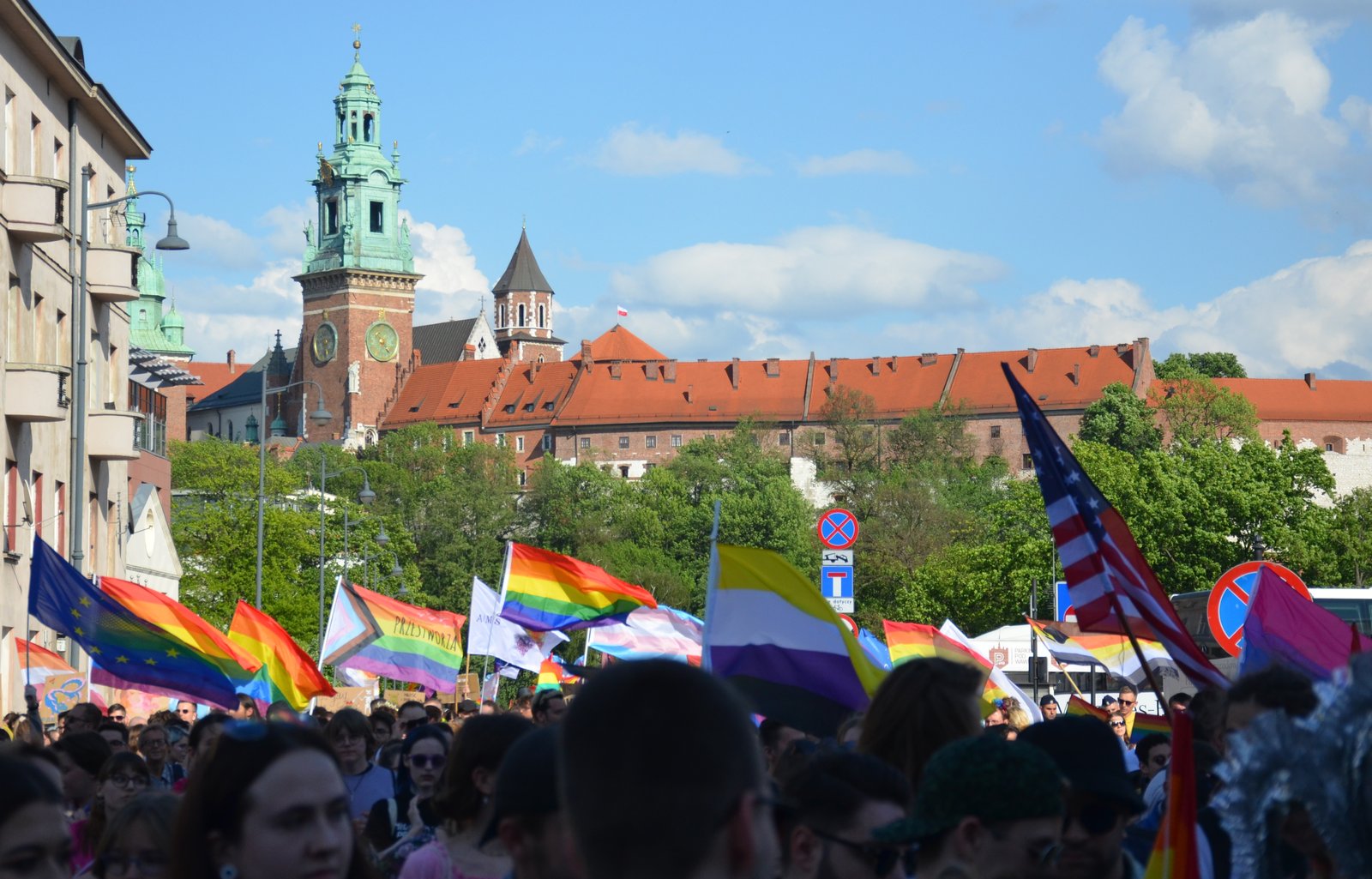
Wawel Royal Castle
Wawel 5, 31-001 Kraków
Wawel Royal Castle - State Rooms, Crown Treasury and Armoury. Ticket prices per route, free Mondays, opening hours and how to get there.
 History
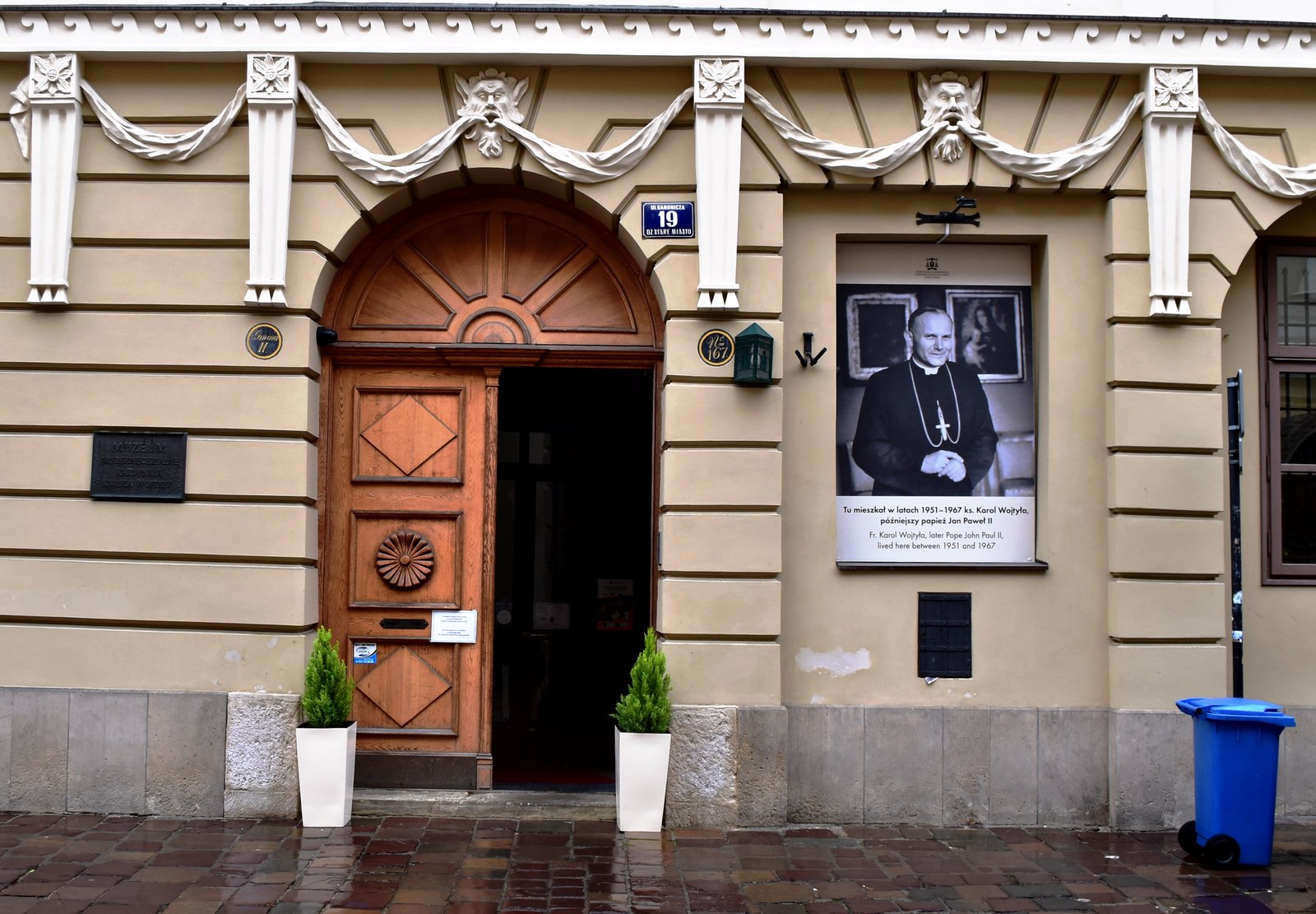
Archdiocesan Museum in Krakow
ul. Kanonicza 19-21, 31-002 Kraków
Archdiocesan Museum Krakow on Kanonicza Street - sacred art and Karol Wojtyla's former home. Tickets 10/6 PLN, Tue-Sun 10:00-17:00.
 Art
Bishop Erazm Ciołek Palace
ul. Kanonicza 17, 31-002 Kraków
Bishop Erazm Ciolek Palace - medieval Polish art and icons near Wawel. Hours, tickets 18/14 PLN, free Tuesdays, directions.