Executioner Museum
Muzeum Kata Kacia Nora
140 m from Rynek Główny in Krakow See museums near Rynek Główny in Krakow
Location
What to expect
In 1782 the city of Krakow beheaded its own executioner on this square. Antoni Strzelbicki lost his livelihood when torture and public executions fell out of use, started working with thieves, and was put to death by an executioner brought in from Sandomierz. The Executioner Museum sits on that same square, in a cellar under the townhouse at Rynek Główny 29.
This is a private collection, opened in November 2013 by Mariusz Aab. A timber frame of beams and mezzanines was built into the 15th-century cellar 6 metres below street level, and it is that frame that shapes the visit - it splits a tight space into levels and fixes the route you take through it. Over 100 objects are laid out inside. On display: a Nuremberg maiden, a witch’s chair, a Spanish donkey, a bed of justice, stocks, shackles, masks of shame and branding stamps. The museum groups them by what they were for - humiliating someone convicted of a petty offence, forcing a confession, or finishing the matter in front of a crowd.
Know the scale before you pay. These are two tight chambers, not a run of galleries: on your own you will have seen everything in 30-40 minutes, and a steady minority of visitors leave feeling that 30 PLN bought them a quarter of an hour. The guided tour changes the arithmetic. It costs 75 PLN, runs an hour, and it is what the enthusiastic reviews are actually about, because the objects carry little labelling and explain almost nothing by themselves.
Best for teenagers and adults interested in the history of law, punishment and everyday crime, and for anyone who would rather be told a story than read one off a wall. Skip it with children under about 12 - the subject is literal and the cellar offers nothing to distract from it. The museum publishes nothing about where its objects came from, so if you want documented Krakow instruments with a provenance, they are in a display case at the Matejko House .
Tips
- Take the guide or do not come. The tour costs 75 PLN, lasts an hour and is given in Polish or English. Without it you get two rooms of ironwork; with it you get how each device worked and the Krakow court cases it was used in.
- Book the English tour ahead. Use the reservation form on the museum’s website or call +48 602 515 570. Admission itself needs no booking - the museum is open daily 10:00-19:00 - but an English-speaking guide waiting for you does.
- Allow 30-40 minutes unguided, an hour with the guide. This is the smallest museum on the Main Square and it works as a gap-filler between two bigger stops, not as the anchor of an afternoon.
- Ignore the prices you find elsewhere. Aggregator listings and older reviews still quote around 9 PLN. The current published prices are 30 PLN standard and 25 PLN reduced, and there is no free day.
- Read the museum’s timeline before you go in. It is free, and it prepares you better than the exhibition itself does. You get the 1311 revolt of Albert, the town’s chief magistrate; Regina Strzelimuszanka sewn into a sack with a dog and a cat in 1549; the last public execution on this square in 1794.
- Groups get a different museum. For booked groups the museum runs old-craft workshops - pottery, joinery, smithing - plus knightly-brotherhood and re-enactment shows, and stronger demonstrations with the exhibits for adult audiences. Same phone number.
- Labels: assume Polish. The museum states the languages of its tours - Polish and English - and nothing about the captions in the cellar. The commentary, not the signage, is your English on site.
- Accessibility: call first. The museum publishes no accessibility information, and the exhibition is 6 metres below street level.
Getting there
On foot: 12-15 minutes from Kraków Główny station - through the Florian Gate, down Floriańska Street, then straight across the whole Main Square. The entrance is on the west side of the square, opposite St Mary’s Basilica and next to Pałac Pod Baranami (number 27) - number 29, at cellar level.
Tram: the nearest stops ring the Planty park. Teatr Słowackiego on Basztowa is about seven minutes’ walk through the Florian Gate; Poczta Główna on Westerplatte about eight.
Bus: city buses use the same Basztowa and Poczta Główna stops and do not enter the Planty ring.
By car: you cannot drive to the door - the Old Town inside the Planty is a restricted traffic zone. The nearest large underground car park is Plac Na Groblach, about 12 minutes on foot across the Planty and up Wiślna.
Nearby
The Matejko House at Floriańska 41 holds a case of 16th-century Krakow torture instruments that the painter bought in 1873, when they surfaced during the renovation of the Town Hall Tower - about a dozen objects with a documented history, five minutes away and 18 PLN. That same Town Hall Tower stands on the same square; the city prison and the torture chamber were in its cellars, and the branch reopened to visitors in March 2026. If your day has room for only one underground site, weigh this one against the Rynek Underground : 45 PLN, a multimedia archaeological route and about 75 minutes rather than thirty.
Background
Krakow tried its cases under the Magdeburg charter granted in 1257, and sentences were carried out by the executioner, a municipal officer titled Master of Holy Justice. The torture chamber, the tortornia, was in the cellars under the Town Hall on the square, alongside the city prison and the Świdnica tavern.
The second half of the 18th century took the executioner’s work away. Torture was abandoned, public executions grew rare, and Antoni Strzelbicki - in office since the early 1760s - began working with thieves. An investigation into the thief Tomasz Jarecki in autumn 1781 led back to him, and in 1782 he was beheaded on the square. The last public execution here followed in 1794: Father Maciej Dziewoński, condemned for collaborating with the Russians during the Kościuszko Uprising. From 1796 an Austrian official took over the role and sentences were carried out in the cellars of the St Michael prison.
Mariusz Aab leased the cellar at Rynek Główny 29 from the city in 2010, renovation began in May 2011, and the museum opened on 8 November 2013.
Nearby museums
 History
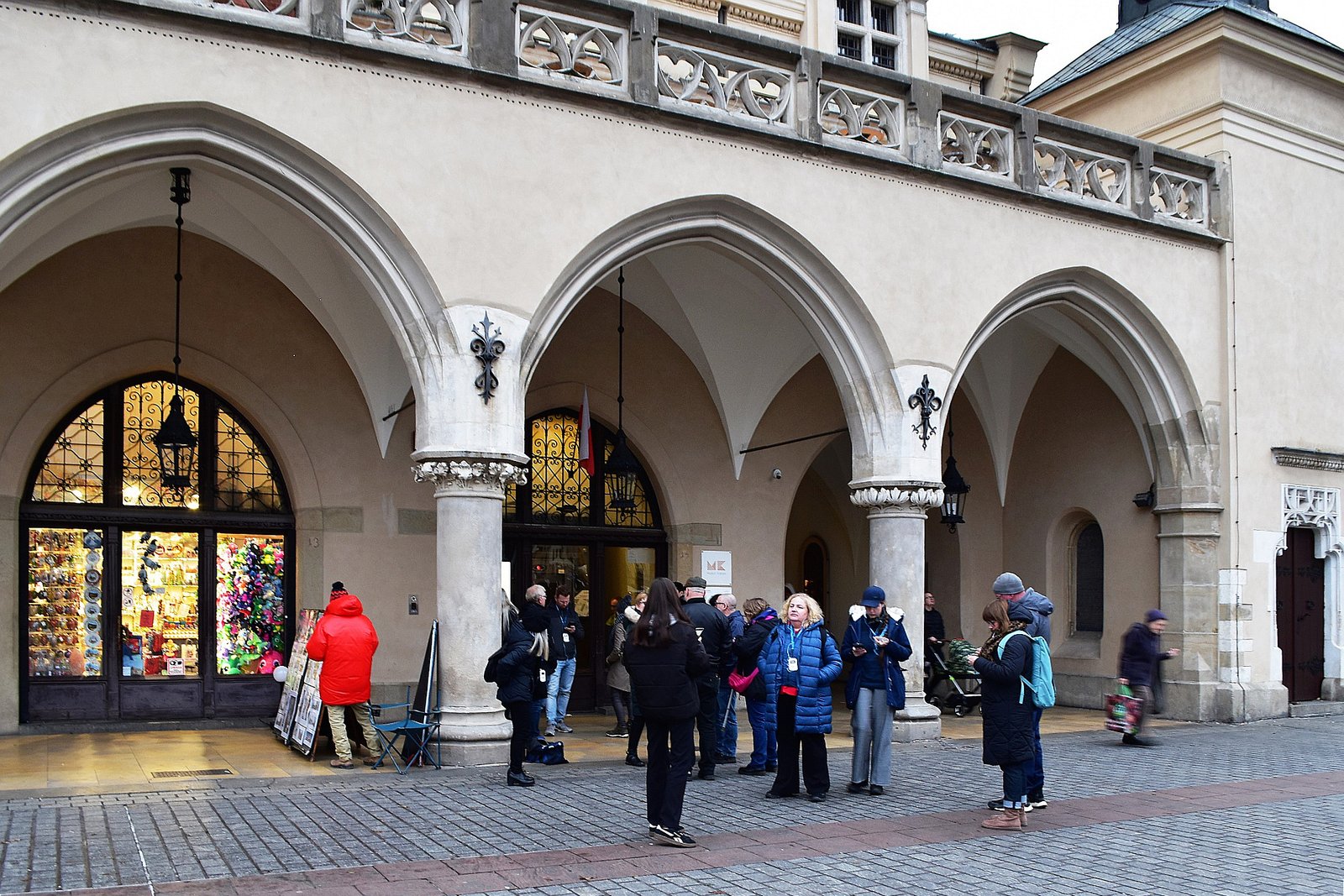
Rynek Underground
Rynek Główny 1, 31-042 Kraków
Rynek Underground Krakow - archaeological route beneath the Main Square. Opening hours, tickets 45/35 PLN, free Tuesdays, booking advice.
 Art
ArtJan Matejko House
ul. Floriańska 41, 31-019 Kraków
Jan Matejko House Krakow - the painter's home and studio on Floriańska. Hours (Tue-Sun), tickets 18/14 PLN, free on Tuesdays.
 Art
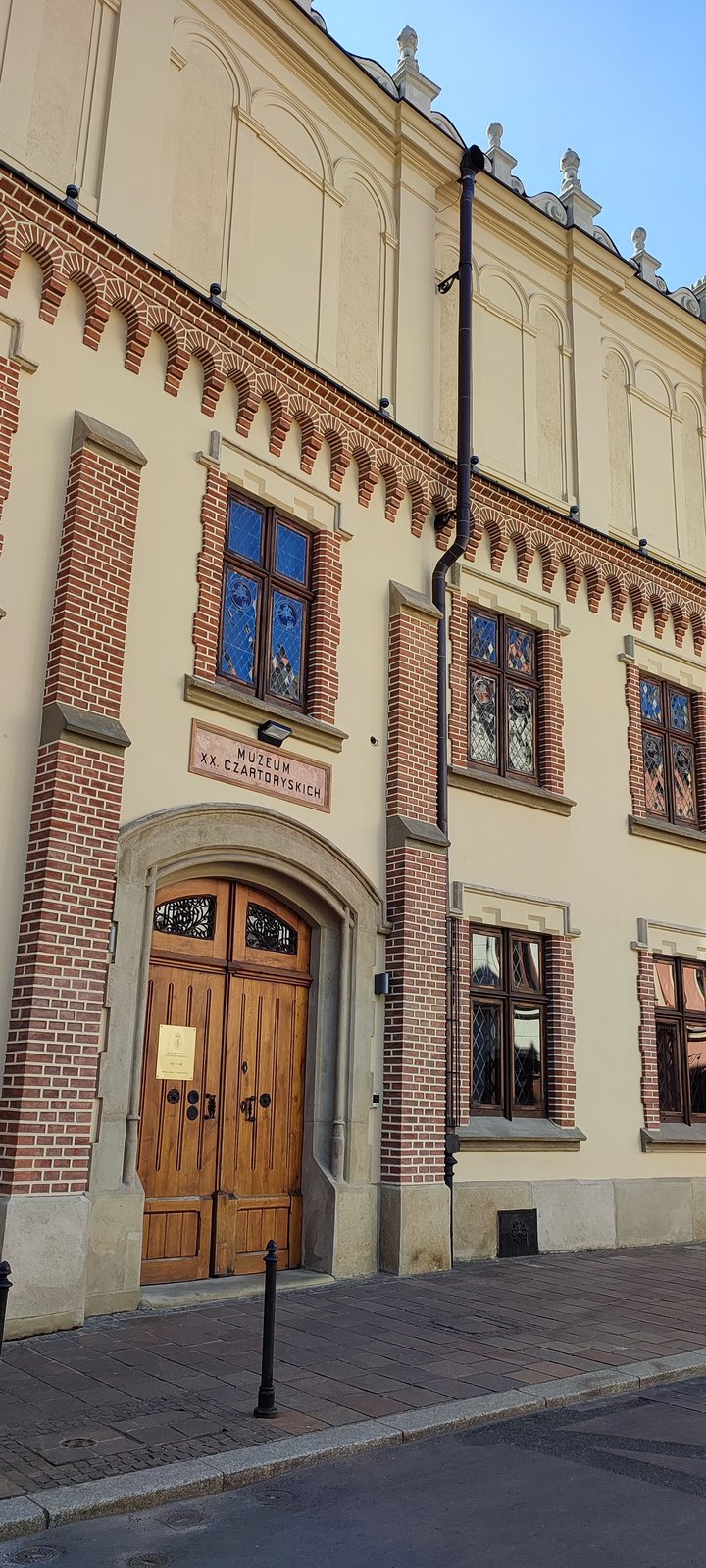
ArtCzartoryski Museum
ul. Pijarska 15, 31-015 Kraków
Czartoryski Museum in Krakow - Leonardo's Lady with an Ermine. Open Tue-Sun 10:00-18:00, tickets 65/50 PLN, free entry on Tuesdays.