Zachęta - National Gallery of Art
Zachęta - Narodowa Galeria Sztuki
- Wheelchair: Yes
- Stroller: Yes
- Elevator: Yes
- Recommended age: 7+
- Stroller access: Yes
Location
What to expect
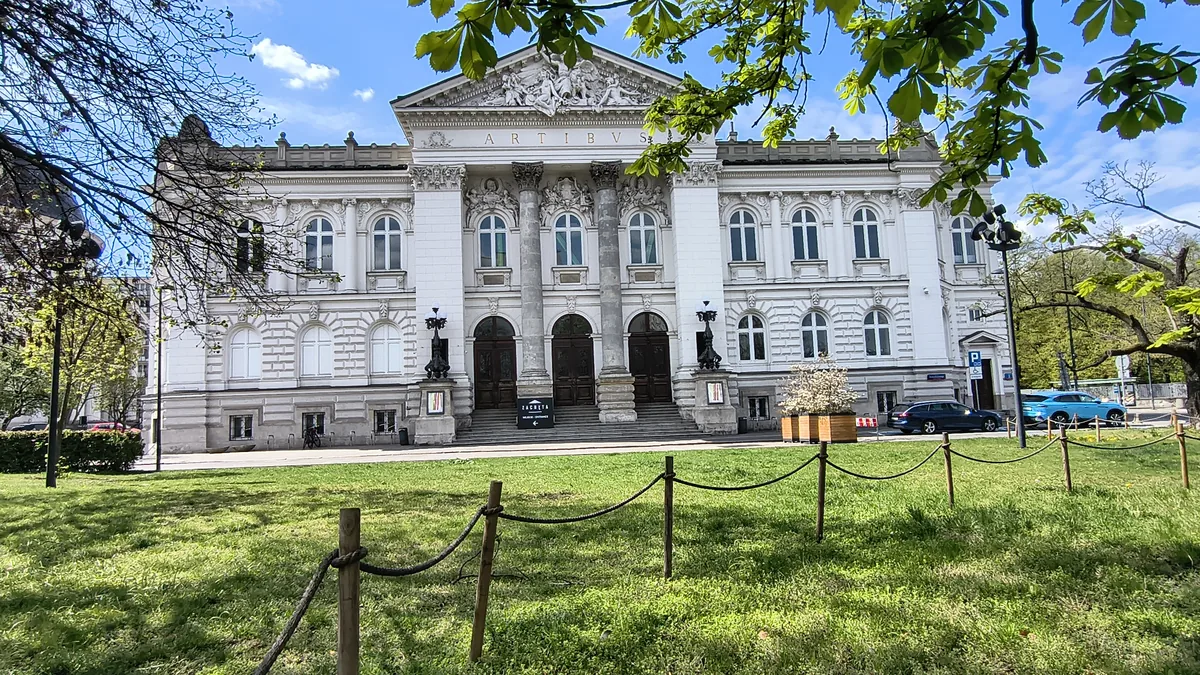
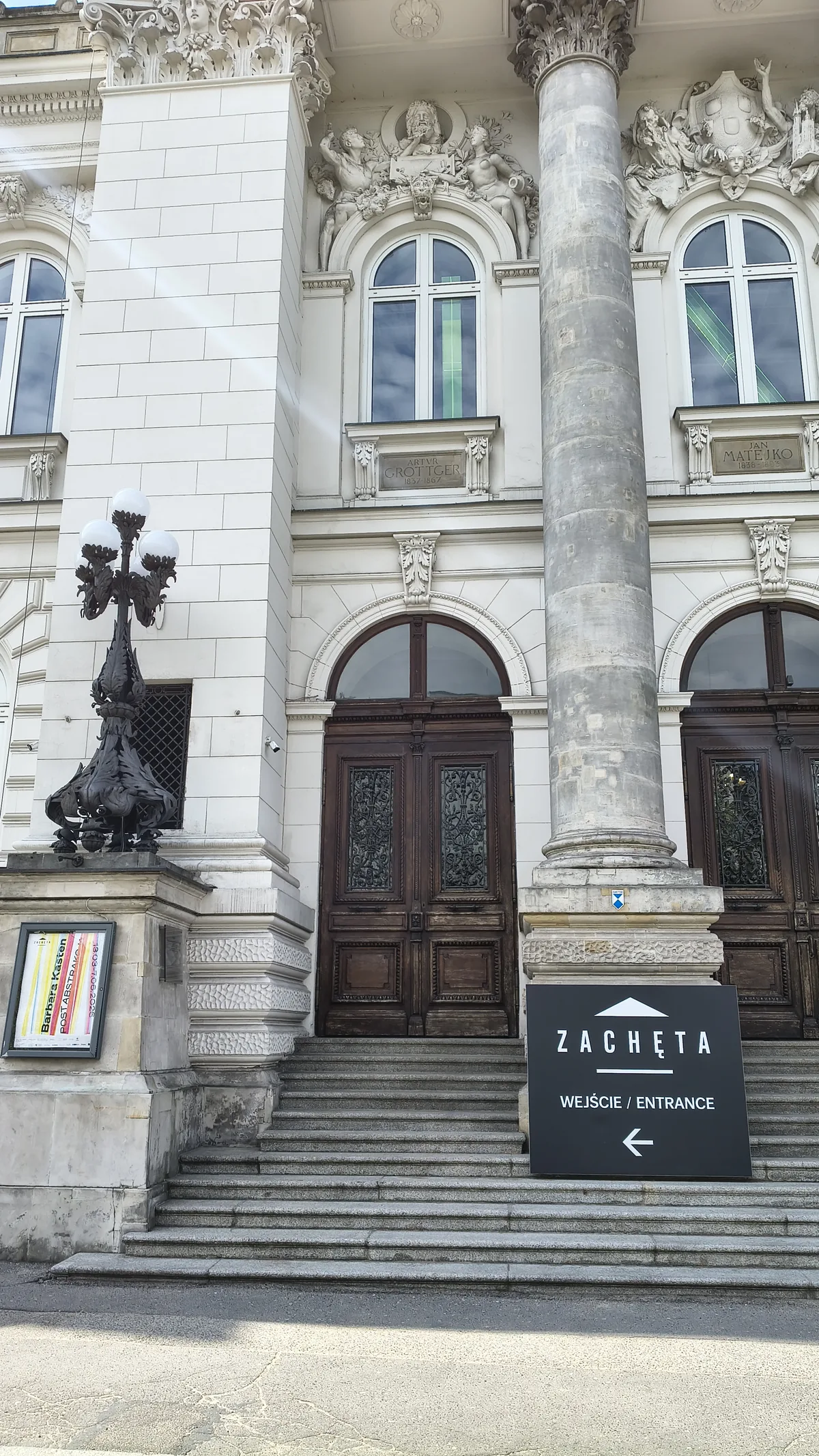
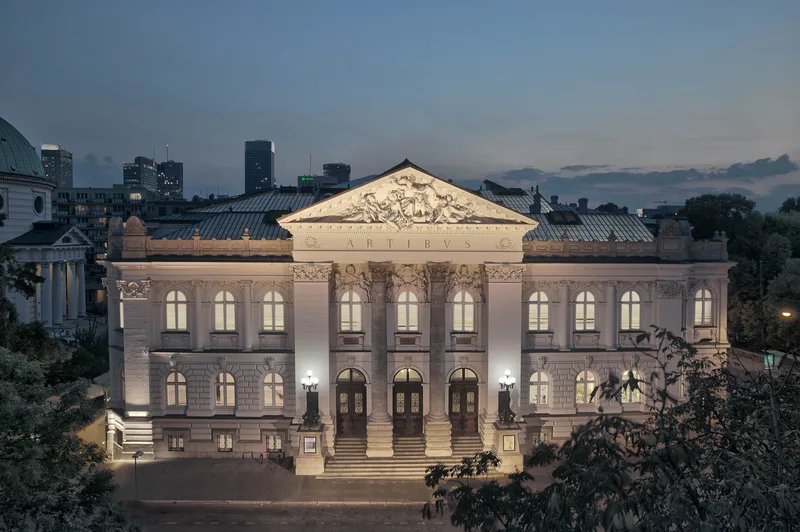
Plac Małachowskiego, dead centre of Warsaw, facing the Saxon Garden. A neo-Renaissance palace from the turn of the twentieth century - monumental facade, the word ARTIBUS carved above the portal, allegorical sculptures by Zygmunt Otto. The first building in Warsaw constructed specifically to exhibit art. Not adapted from a nobleman’s residence, not converted from barracks - a gallery from day one.
Zachęta has no permanent exhibition. Every visit is a different story. Shows rotate every two to three months - painting, sculpture, video art, installations, photography. Polish and international contemporary artists. Sasnal, Althamer, Sosnowska, Kozyra, but also Kusama and Picasso. If you want Matejko and Old Masters, head to the National Museum. Zachęta is where art is a living organism, not an archive.
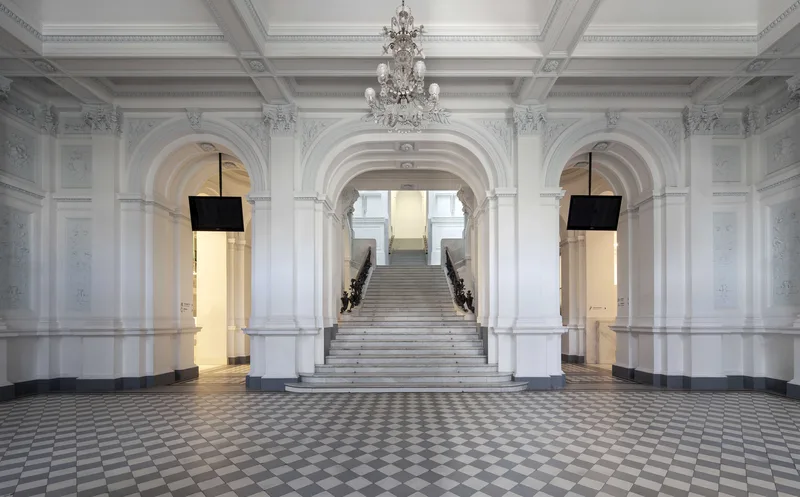
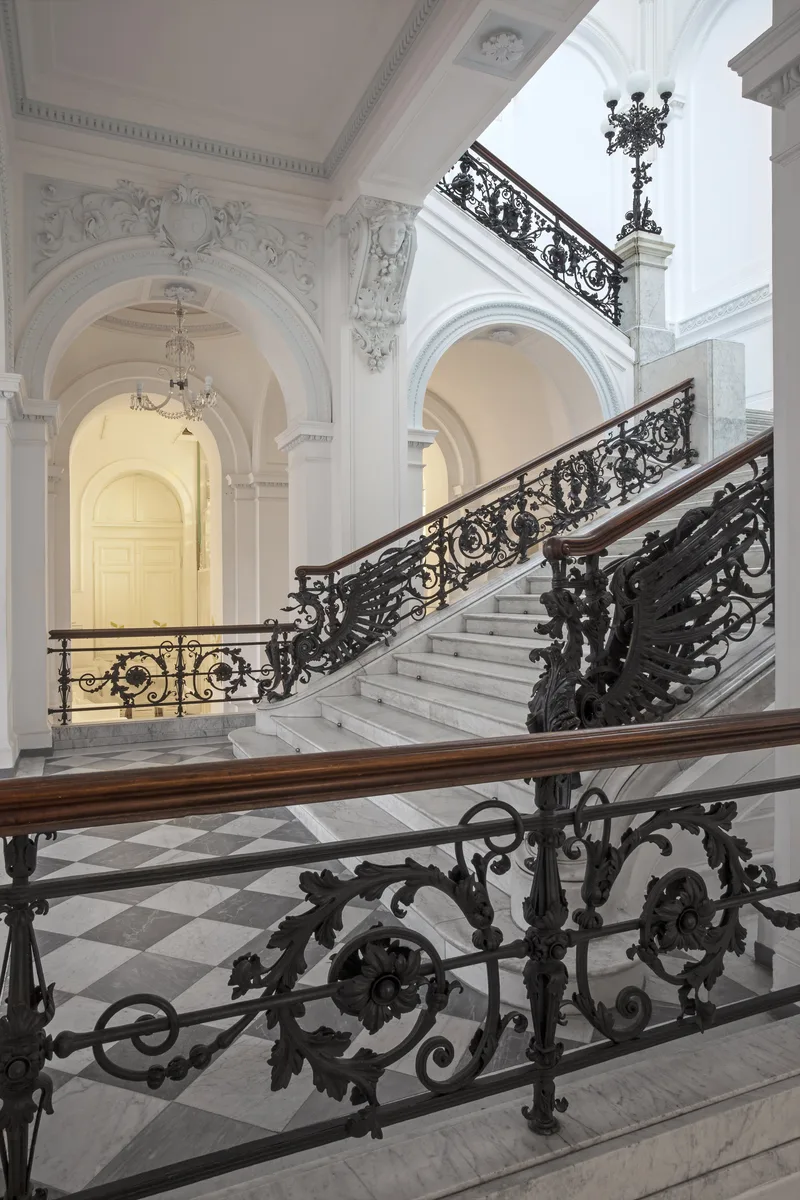
The building itself is worth the trip. Spacious, well-lit halls designed with art display in mind - Stefan Szyller (the same architect who designed the Warsaw University of Technology) knew what he was doing. The main hall is named after Jan Matejko. Since 1993, Zachęta has been responsible for the Polish Pavilion at the Venice Biennale (both art and architecture editions) - making it one of the most important links between Polish art and the wider world.
A separate space - Zachęta Project Room at ul. Gałczyńskiego 3, a few minutes’ walk from the main building. An artistic laboratory for emerging artists and experimental projects. Free entry.
Tips
- Free Thursdays - admission free for everyone. Popular, so expect crowds.
- Tickets: 30 PLN adult, 20 PLN reduced, 5 PLN students under 26, 2 PLN youth 7-18, family ticket 40 PLN (4 people, max 2 adults). Children under 7 free.
- Hours: Tuesday-Sunday 12:00-20:00, last entry 19:30. Closed Monday.
- How long: 60-90 minutes for one exhibition. If two shows run in parallel, plan 2 hours.
- Art bookshop on site - solid selection of catalogues and art books.
- Check the programme before visiting at zachęta.art.pl - with no permanent collection, you never know what is hanging. You might stumble upon something that changes the way you think about art. Or something that enrages you. Both outcomes are valid.
Getting there
Bus: Zachęta or pl. Małachowskiego stop - right outside the gallery. Lines 106, 107, 111, 116, 128, 178, 180, 503, 518.
Tram: Królewska stop - about 7 minutes’ walk. Lines 4, 15, 16, 18.
Metro: Świętokrzyska (M1/M2) - about 10 minutes’ walk. Nowy Świat-Uniwersytet (M2) - also about 10 minutes.
By car: Central Warsaw - paid parking zone. Street parking around Plac Małachowskiego, but hard to find during peak hours.
History
It all began on 13 December 1860, when painters led by Wojciech Gerson founded the Society for the Encouragement of Fine Arts (Towarzystwo Zachęty Sztuk Pięknych) - the first institution in the Russian partition dedicated to exhibiting Polish art. They started with 234 members; within a year, 1,464.
For decades the Society operated from rented premises. In 1894 a competition for a permanent building was announced. Stefan Szyller won. Philanthropist Ludwika Gorecka donated the land. Construction began in 1898, the front section opened 15 December 1900, the south wing was completed in 1903.
On 16 December 1922, something happened in Zachęta that wrote this gallery into Polish history forever. President Gabriel Narutowicz - five days after his inauguration - came to an exhibition opening. Eligiusz Niewiadomski, a painter and art critic, shot him dead. The first successful assassination of a Polish head of state, in an art gallery, surrounded by paintings. The hall now bears Narutowicz’s name.
During the occupation, the gallery was renamed Haus der Deutschen Kultur. After the war came reconstruction, followed by thorough renovation between 1982 and 1993. In 1994 it became Zachęta State Gallery of Art. Since 2003 it carries its current name: Zachęta - National Gallery of Art.
In 1966, Zachęta launched the International Poster Biennial - the world’s first such event, which ran here until 1994 (later relocated to the Poster Museum in Wilanów). Since 1993 it has been responsible for the Polish Pavilion at the Venice Biennale - in 2008, “Hotel Polonia” won the Golden Lion at the Architecture Biennale.
In the neighbourhood
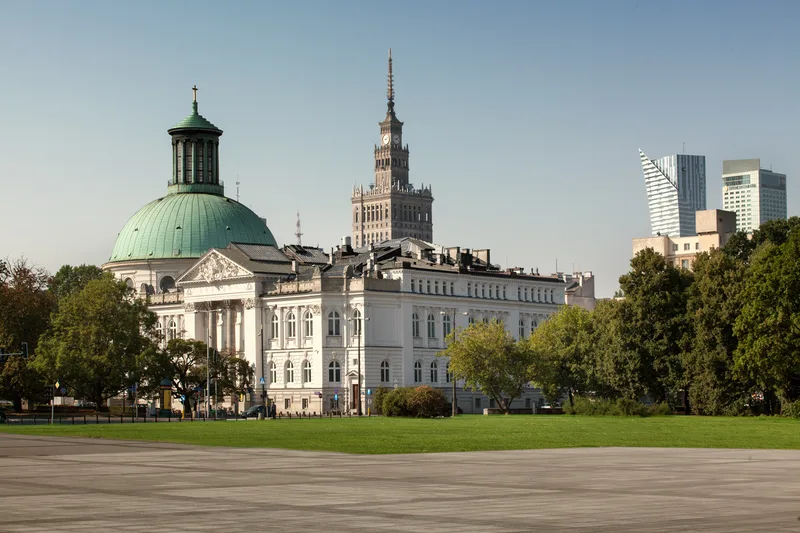
Art and history within walking distance: State Ethnographic Museum (1 Kredytowa Street, immediate neighbour - folk cultures and traditions), National Museum (3 Aleje Jerozolimskie, 15 minutes’ walk - if you want classical art from the Middle Ages to the present), Museum of Modern Art (pl. Defilad - new building, art from the 20th century onward).
Current exhibitions
- João Maria Gusmão. Following the White Tiger 28 August 2026 - 31 October 2026
- Odwrażliwianie 16 October 2026 - 10 January 2027
- Alina Szapocznikow / Nairy Baghramian 16 October 2026 - 31 January 2027
See also temporary exhibitions in Warsaw across all museums.
Nearby museums
 Culture
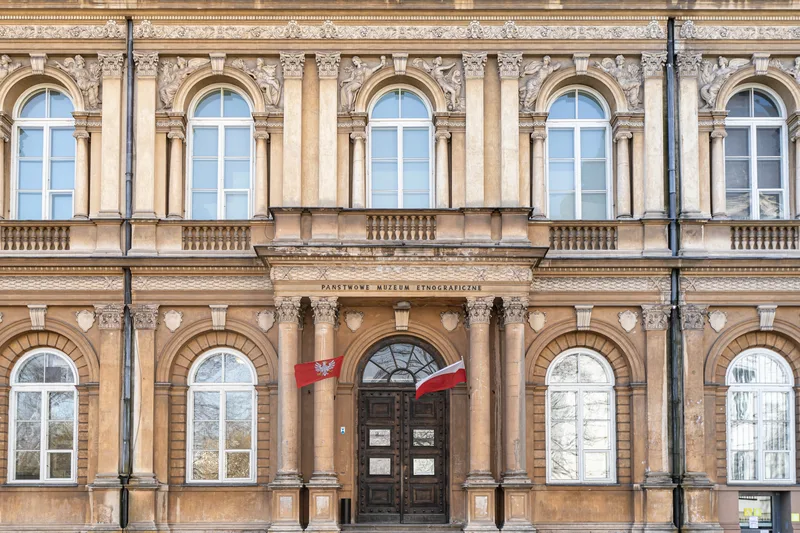
State Ethnographic Museum
ul. Kredytowa 1, 00-056 Warszawa
State Ethnographic Museum in Warsaw - Poland's oldest. 80,000 objects, folk costumes, African art. Tickets, hours, free Thursdays.
 Art
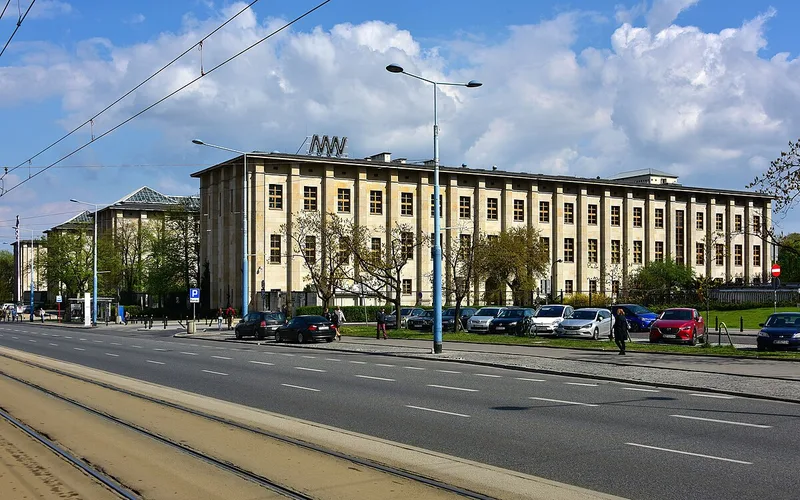
ArtNational Museum in Warsaw
Al. Jerozolimskie 3, 00-495 Warszawa
Matejko's Battle of Grunwald, Botticelli, Faras frescoes - Poland's largest art museum. Permanent galleries free Tuesdays. Hours, tickets, …