Żabiński Villa
Willa Żabińskich
- Wheelchair: No
- Stroller: No
- Elevator: No
- Recommended age: 12+
- Stroller access: No
Location
What to expect
A modernist house from 1931, built as the official residence of the director of Warsaw Zoo. Jan Żabiński lived here with his wife Antonina and their son Ryszard. Under the German occupation several hundred people brought out of the Warsaw ghetto passed through the villa and its cellars, which is why Yad Vashem named the Żabińskis Righteous Among the Nations, and why Antonina’s memoir became the basis of the book and film “The Zookeeper’s Wife”.
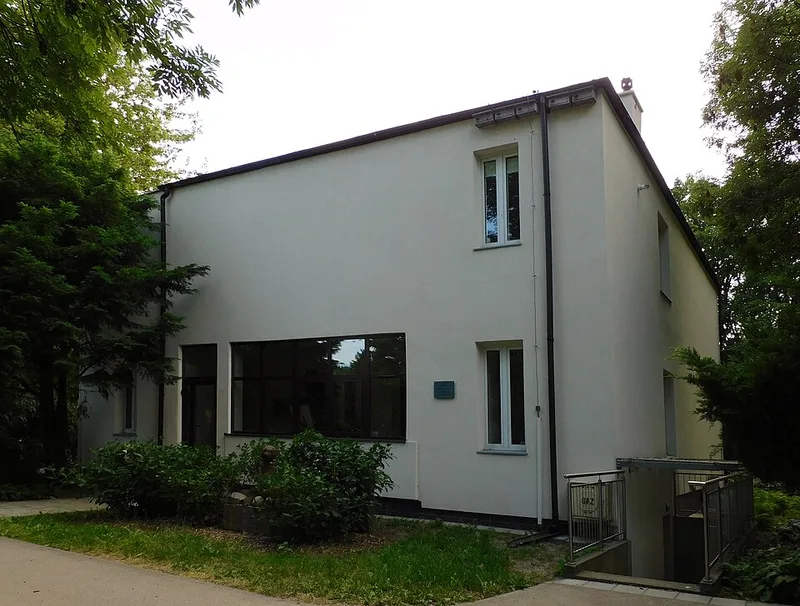
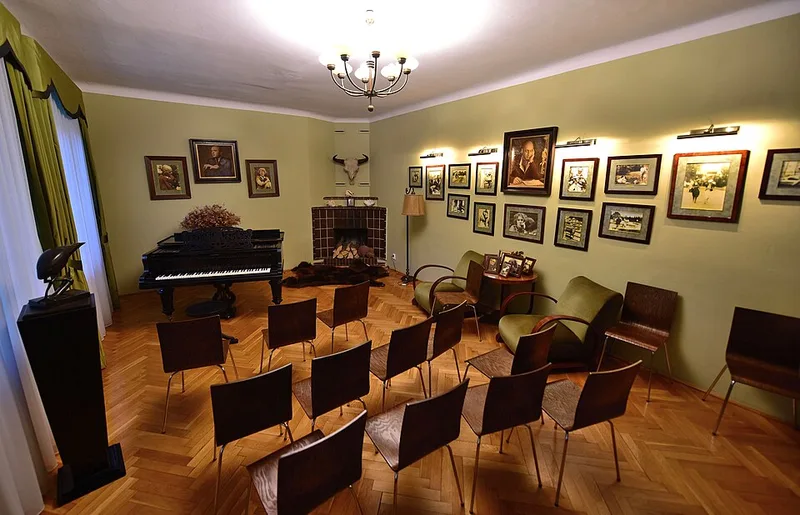
You tour interiors restored to how they looked in the 1930s. The first room holds display cases of insects from the collection of Szymon Tenenbaum, a world-renowned entomologist who entrusted his roughly 500,000 specimens to Żabiński before he was confined to the ghetto. The study keeps the director’s library and his ashtray, donated later by his daughter. In the drawing room stands the piano: when German officers were walking the grounds, Antonina would sit down to play, and the choice of piece was the signal to the people hiding in the house. A passage from Offenbach’s “La belle Hélène” meant leave now, through the cellar tunnel, and wait it out in the scrub by the bird aviaries.
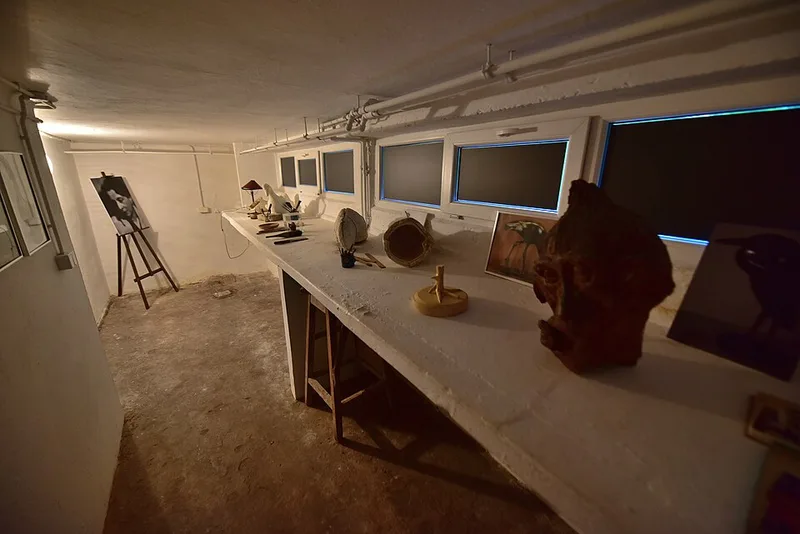
The route goes down into the cellars, where the names of those who survived are written on the wall - they are the witnesses who later testified at Yad Vashem. There is also a small memorial room for Magdalena Gross, a sculptor who spent her time in hiding modelling the Zoo’s animals in clay; it holds a cast of Tuzinka, an elephant born at the Warsaw Zoo in 1937.
Background
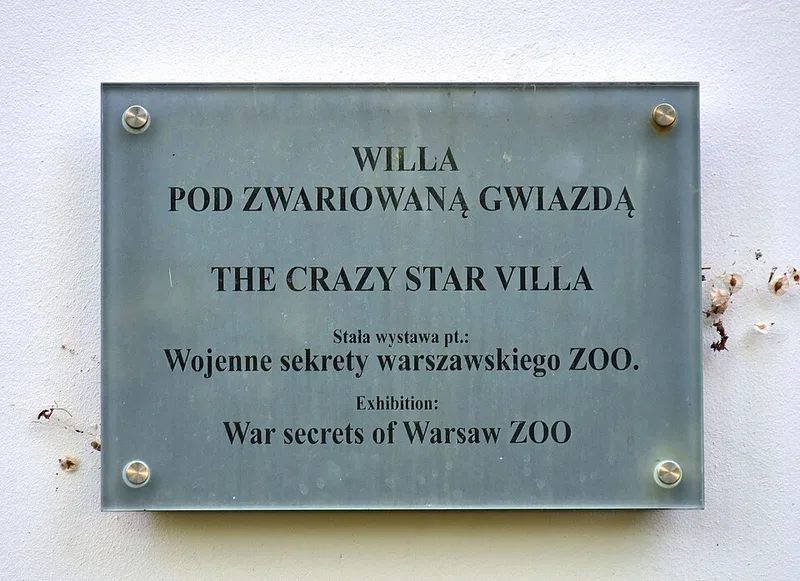
The house is known as the “Villa under a Crazy Star” and was the only building in the Zoo to come through the war undamaged - only minor changes have been made since. A French-style garden surrounds it, including a ginkgo planted by Żabiński himself. The director explained his own conduct without any grandeur: he helped not because the people hiding were Jews, but because they were persecuted, and he called it ordinary decency.
Tips
- You can only go in with a guide. Weekdays 9:00-15:00, booked in advance by phone (+48 603 059 758) or email. Without booking: Sundays at 11:00 and 13:00.
- The source contradicts itself. The Zoo’s Polish page says the first and second Sunday of the month; its English page says the first Sunday only. Call and confirm before you plan the trip.
- The villa ticket is 10 PLN per person on top of Zoo admission - children under 10 go free. Zoo entry itself is 45 PLN full price from April to September (~€10), 35 PLN in the off season; reduced 35 and 30 PLN.
- Maximum 25 people at a time, so for the unbooked Sunday slots arrive early - the group forms at the villa and latecomers wait for the next tour.
- Allow 45 minutes for the villa itself, plus the walk across the Zoo from the ticket office. The Zoo opens daily at 9:00 and closes between 16:00 and 19:00 depending on the month; last entry an hour before closing.
- This is not one for small children. The route includes the cellars and the story of the Holocaust; under-12s often find it heavy going, even though the visit sits in the middle of a day at the Zoo.
- Accessibility is limited: a 1931 house with narrow cellar stairs and no lift. Leave the pushchair outside.
- The tour is run in Polish; ask when booking whether an English-speaking guide is available on your date.
Getting there
Address: ul. Ratuszowa 1/3, 03-461 Warszawa, Praga-Północ district - inside the grounds of the Warsaw Zoo, on the right bank of the Vistula.
Tram: the Ratuszowa-ZOO stop is right at the Jagiellońska street entrance. The Park Praski stop on aleja Solidarności serves the Ratuszowa entrance - walk through Park Praski along the wide avenue.
Train: Warszawa ZOO station is a few steps from the gate by the Gdański Bridge; from Warszawa Wileńska you can walk through Park Praski.
Metro: Dworzec Wileński station (M2, the east-west line), then a tram or a 15-minute walk through Park Praski.
Bus: the Park Praski, Rondo Starzyńskiego and Dworzec Wileński stops.
Car: the car parks by the Zoo fill up at weekends - public transport is noticeably faster here.
Nearby: the Praga Museum of Warsaw and Konopacki Palace in Nowa Praga, and the Polish Vodka Museum at the Koneser complex.
Nearby museums
 History
The Praga Museum of Warsaw
ul. Targowa 50/52, 03-733 Warszawa
Praga Museum of Warsaw - pre-war Warsaw on the right bank. Jewish prayer room murals, oral histories, observation deck. Hours, tickets.
Konopacki Palace
ul. Strzelecka 11/13, Warszawa
Konopacki Palace, Praga-Północ: 19th-century mansion run by Dom Kultury Praga, Strzelecka 11/13. Exhibitions, concerts, workshops. Mon-Fri …
 Science
Polish Vodka Museum
Centrum Praskie Koneser, pl. Konesera 1, 03-736 Warszawa
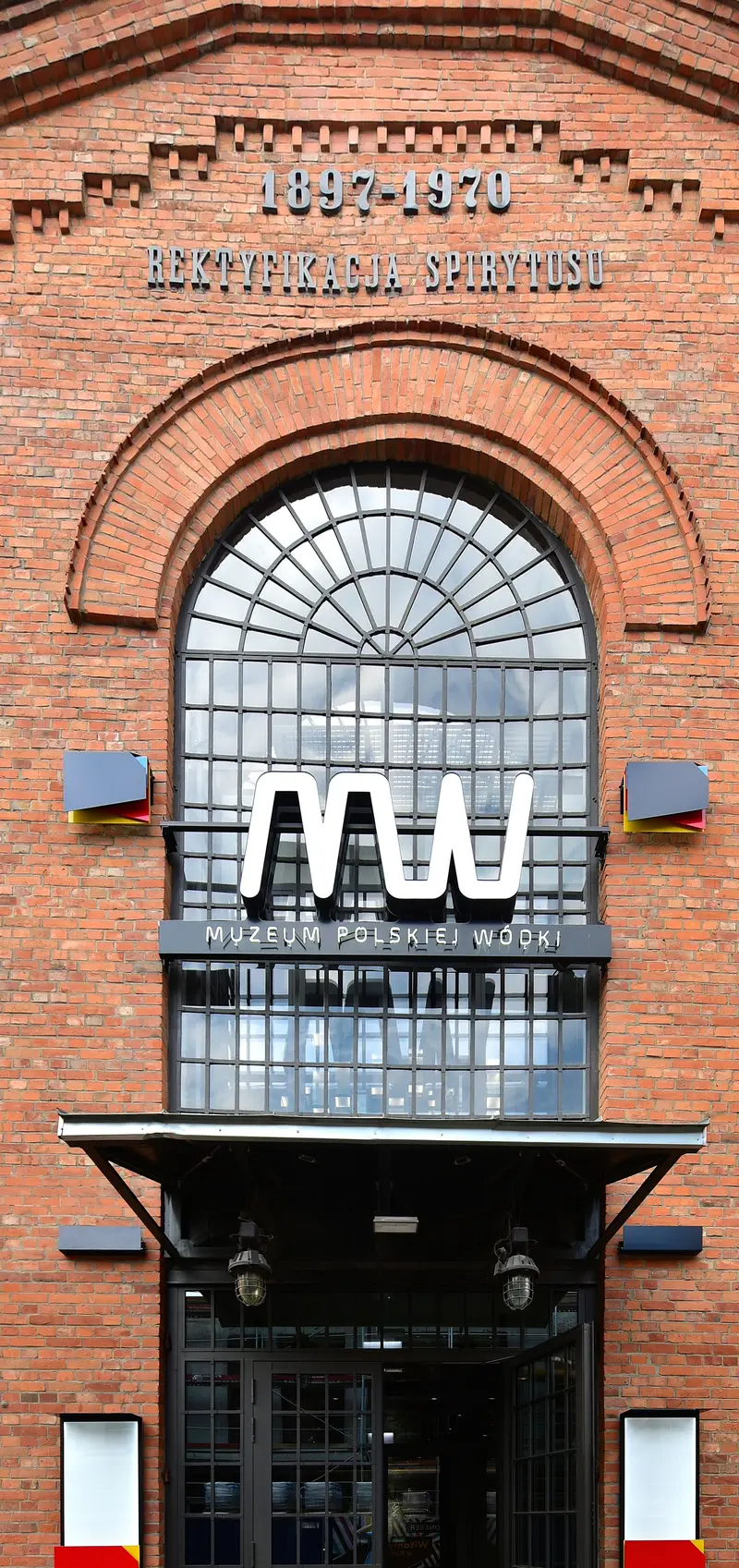
Polish Vodka Museum in Warsaw - 500 years of vodka history in a 19th-century distillery at the Koneser Praga Centre. Tickets, opening hours, …