Museum of the Polish Peasant Movement
Muzeum Historii Polskiego Ruchu Ludowego
- Wheelchair: No
- Stroller: No
- Elevator: No
- Recommended age: 10+
- Stroller access: Partial
Location
What to expect
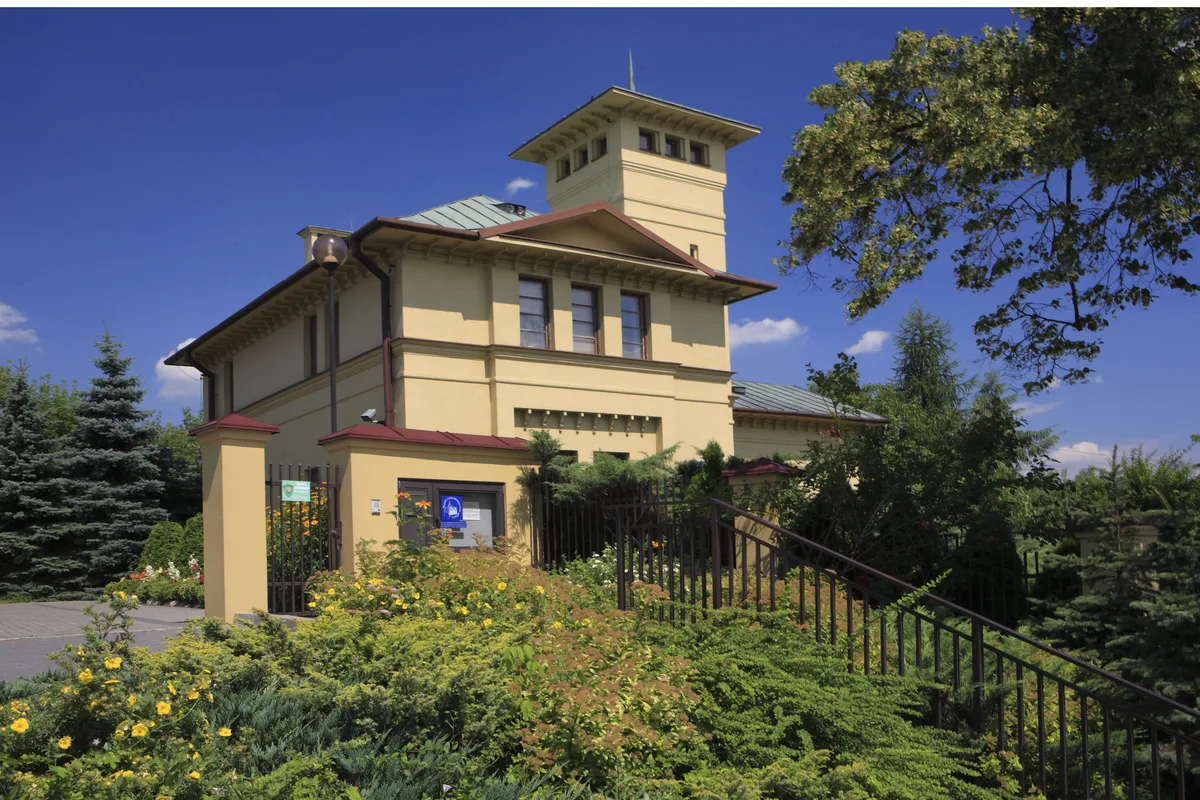
The Museum of the Polish Peasant Movement occupies the Żółta Karczma (Yellow Inn) - a neo-Renaissance villa from 1852-1853 designed by Italian architect Franciszek Maria Lanci. The building was originally the “Belle-Vue” inn for travellers on the newly paved road to Wilanów. The name “Yellow Inn” was reportedly coined by poet Konstanty Ildefons Galczynski. During the Warsaw Uprising, its tower served as an insurgent observation post.
The collection numbers over 62,000 objects and is unique in Europe for its comprehensive documentation of a peasant political movement. Highlights include 163 letters from Prime Minister Wincenty Witos (1923-1924), a 1677 royal decree by King John III Sobieski, 48 seals used to forge Nazi documents during the occupation, and partisan papers hidden in bottles for over 40 years to protect them from Communist security services.
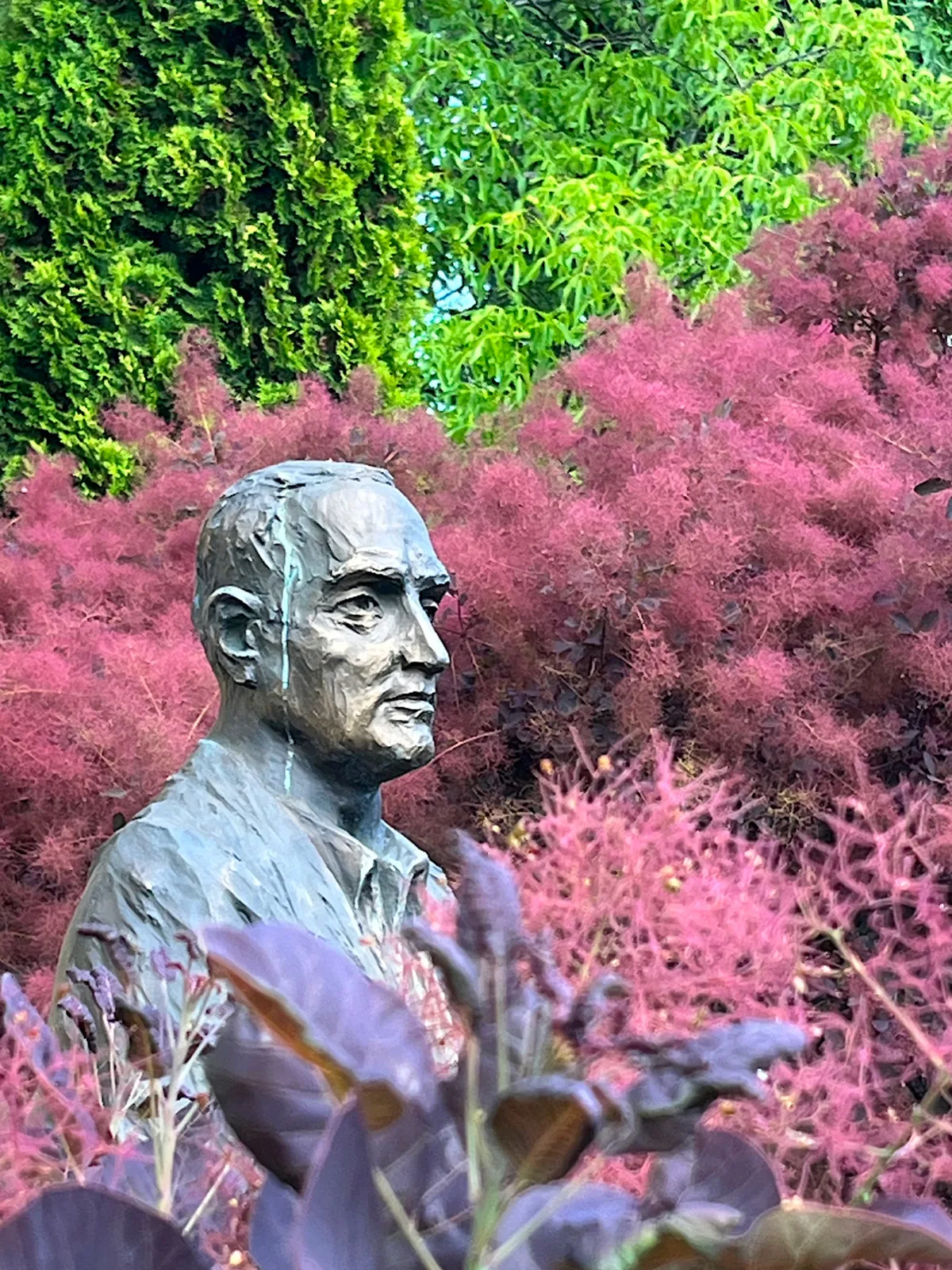
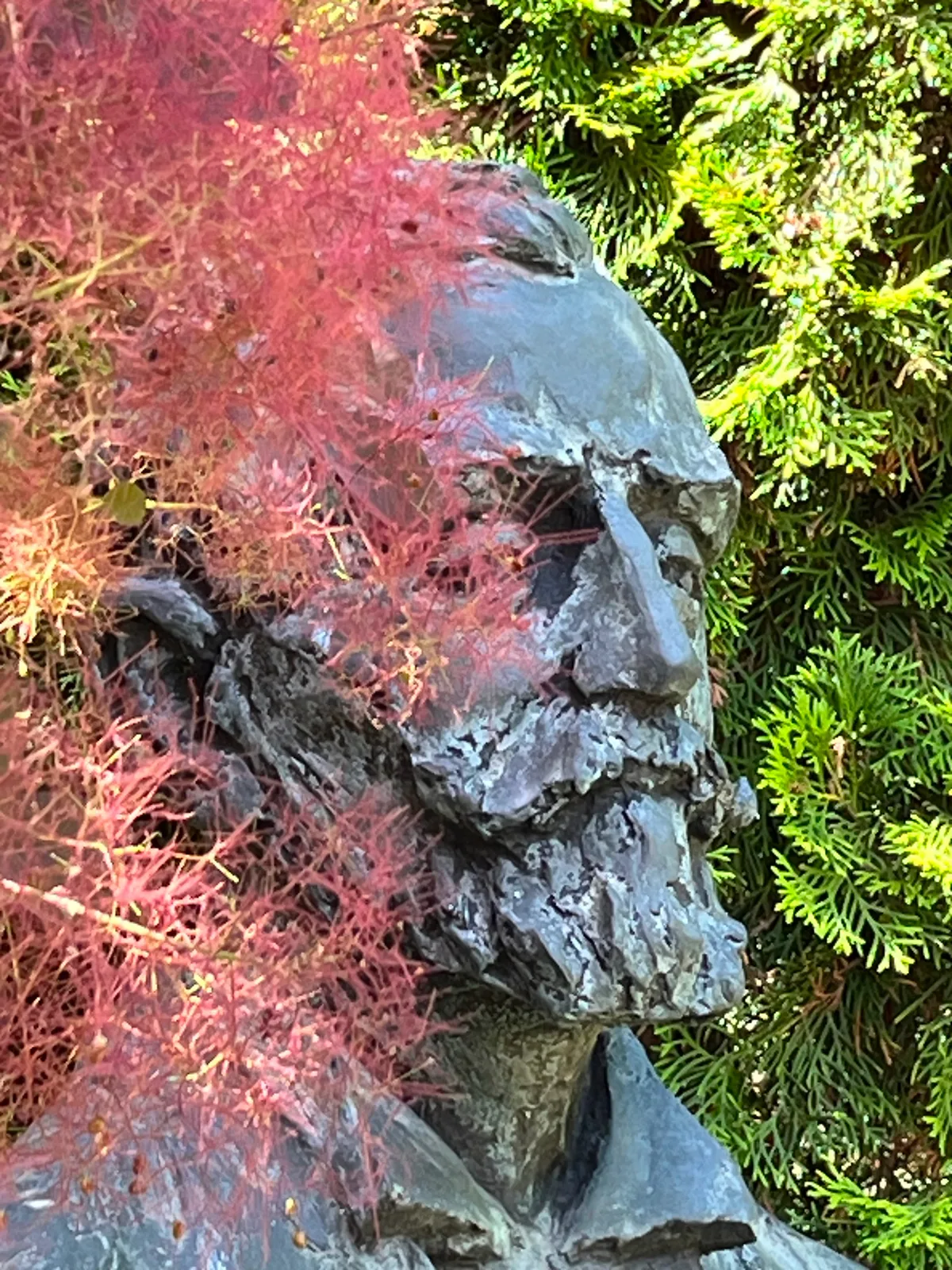
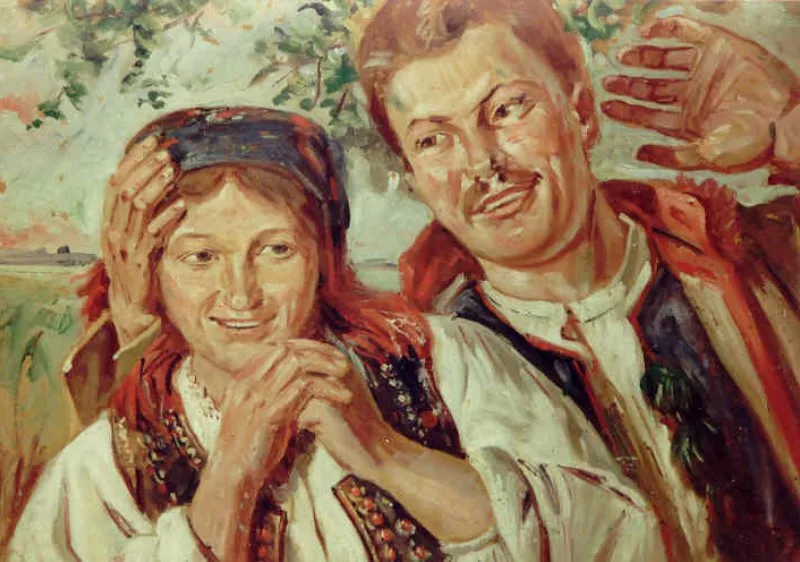
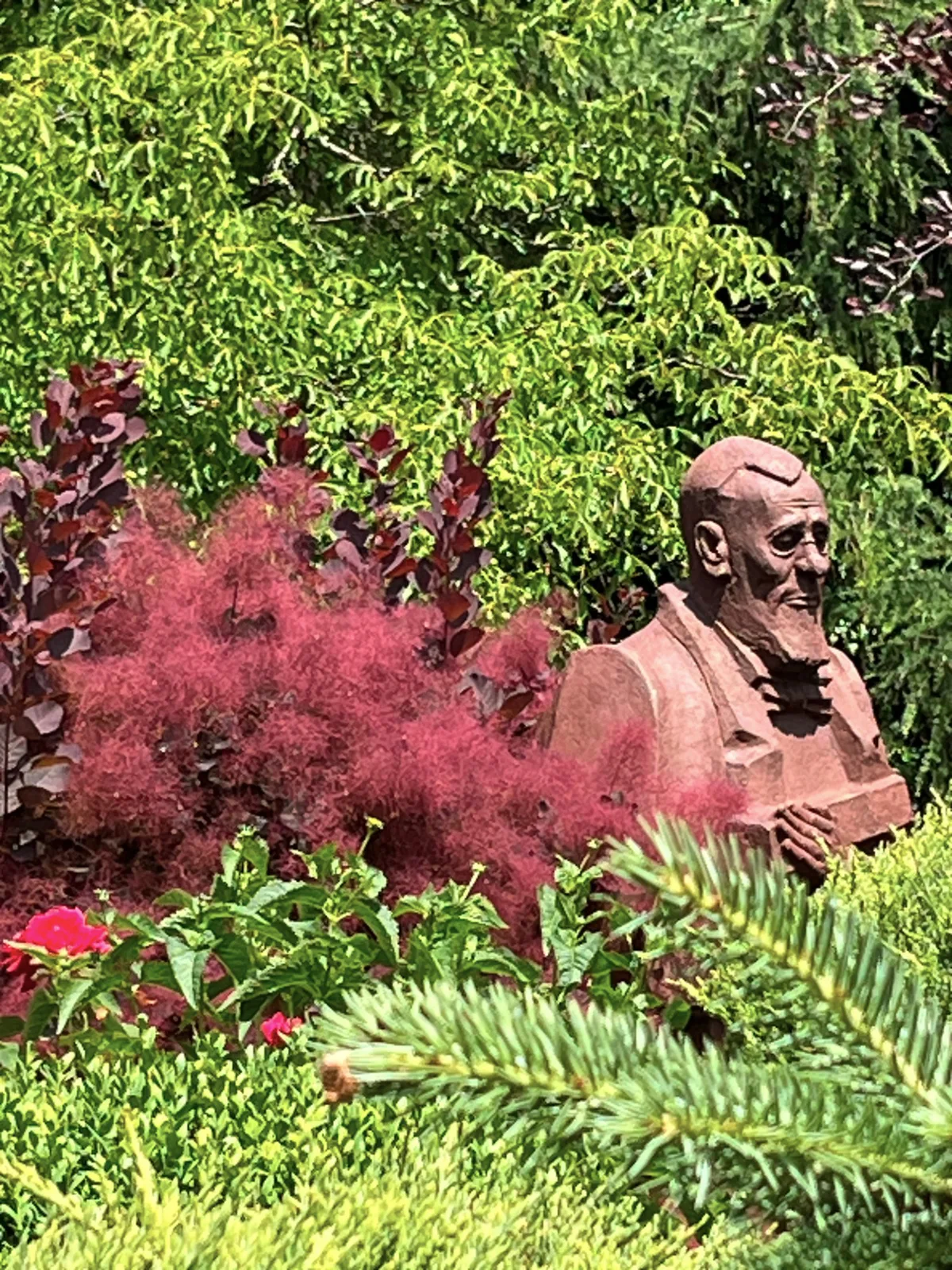
The art collection features over 2,300 paintings - including works by Jan Styka (the Battle of Racławice depicting Kościuszko’s 1794 victory), Teodor Axentowicz, and Włodzimierz Tetmajer. Four hundred organisational banners fill display cases. The surrounding garden features outdoor sculptures of peasant movement leaders.
Founded on 8 March 1984, the museum has been directed by Dr Janusz Gmitruk since 1997. It has published approximately 800 titles and operates branches in Sandomierz and Piaseczno near Gniew. A third branch at the Narutowicz Villa on Parkowa Street in Warsaw is under construction.
Tips
- Monday-Friday 8:30-15:30. Short window - plan ahead. Weekends possible by telephone arrangement.
- 4 PLN normal, 2 PLN reduced. Free on Thursdays.
- Cash only - no card payments accepted.
- Organised groups must book by phone. The museum runs educational sessions for school groups.
- Exhibits mainly in Polish. English brochures have recently been added.
- Historic single-storey building - no confirmed wheelchair access. The tower and thresholds may present challenges. Call ahead if you need accessibility.
Getting there
Metro: Wilanowska (M1) - 10 minutes walk south along Wilanowska Avenue.
Bus: Lines 108, 139, 217, 700, 710, 724 - stops along Wilanowska Avenue.
Tram: Trams 4, 10, 36, 44 reach Metro Wilanowska.
By car: Wilanowska Avenue is a wide arterial road. Street parking available but limited.
In the neighbourhood
Museum of Polish Military Technology (13 Powsińska Street, 20 min walk south) - a branch of the Polish Army Museum in Fort IX Czerniaków, with outdoor military equipment and free Tuesdays. Wilanów Palace (4 km south, buses 139, 700, 710, 724) - a 17th-century royal residence and one of Warsaw’s most important landmarks. Poster Museum (at Wilanów, next to the palace) - the world’s first museum dedicated to poster art.
Current exhibitions
- Four Seasons - Mazovia 4 September 2026
See also temporary exhibitions in Warsaw across all museums.
Nearby museums
 History
Museum of Polish Military Technology
ul. Powsińska 13, 02-920 Warszawa
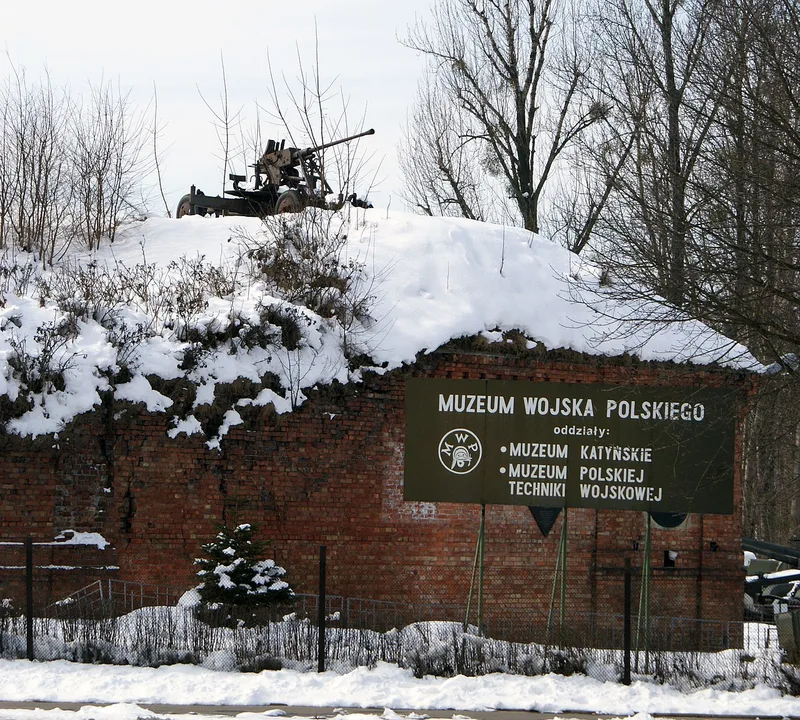
Museum of Polish Military Technology at Fort IX - tanks, MiGs, Katyusha launchers, Meduza bathyscaphe. Hours, tickets, free Tuesdays, …
 History
Wilanów Palace
ul. Stanisława Kostki Potockiego 10/16, 02-958 Warszawa
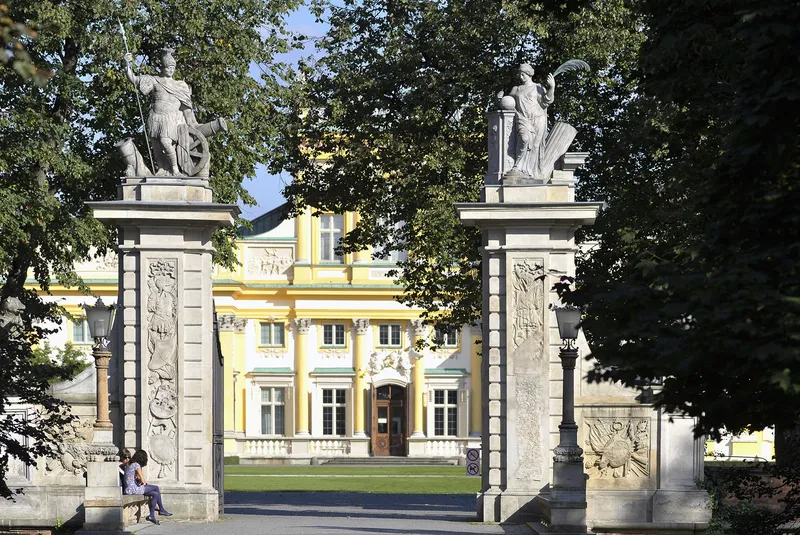
Wilanów Palace: Baroque residence of King Jan III Sobieski. Palace tickets 70 PLN (~€16), gardens 15 PLN, free entry Thursdays. Hours, …