Korczakianum Documentation and Research Centre
Ośrodek Dokumentacji i Badań Korczakianum
- Wheelchair: No
- Stroller: No
- Elevator: No
- Recommended age: 10+
- Stroller access: Partial
Location
What to expect
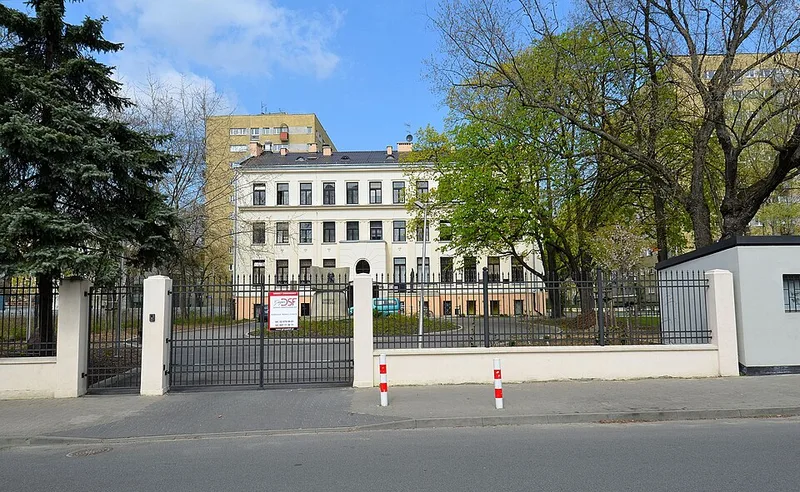
Korczakianum is housed in the building where Janusz Korczak actually lived and worked. The Orphans’ Home at Jaktorowska 6 (formerly Krochmalna 92) is a four-storey building with a mansard roof, designed by Henryk Stifelman and opened on 7 October 1912 - when Korczak, Stefania Wilczyńska and the first 85 children moved into a building funded by public contributions collected by the “Pomoc dla Sierot” (Aid for Orphans) Society. This is not a replica or reconstruction. These are the same walls.
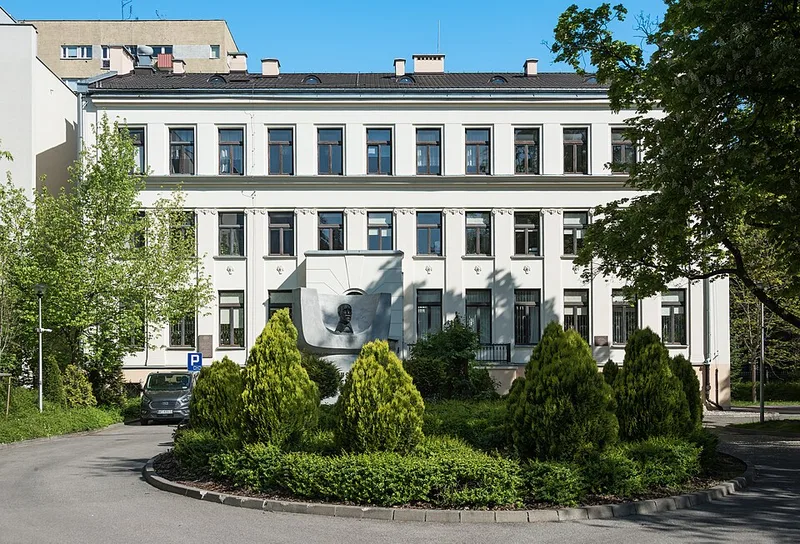
The Centre for Documentation and Research “Korczakianum” operates as a scientific workshop of the Museum of Warsaw. It grew out of the Korczak Laboratory founded in 1977, became an independent centre in 1993, and has been a division of the Museum of Warsaw since 2001. The permanent exhibition (from 1 January 2016) in the former main hall of the Orphans’ Home tells the story of the institution from 1912 to 1940 - when residents were forced to relocate to the ghetto because Krochmalna Street fell outside its boundaries. Iconography, source texts, biographies of people connected with the institution.
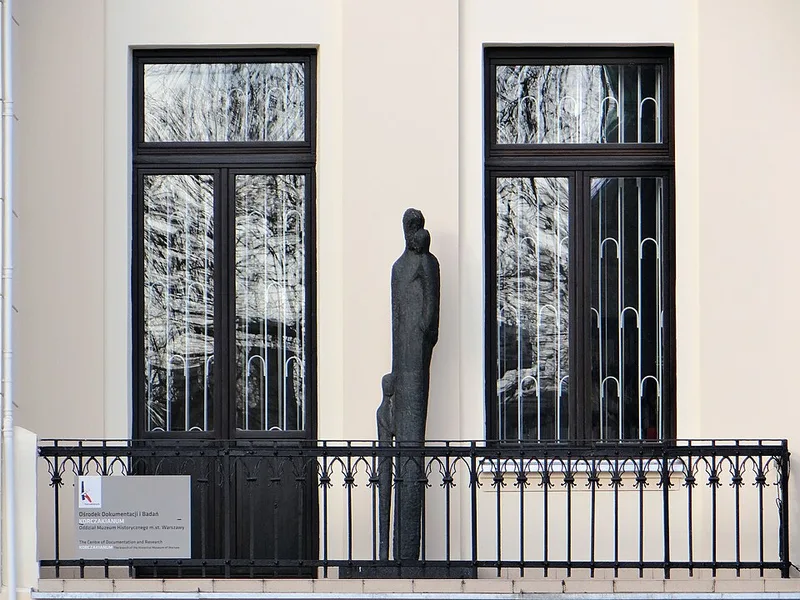
The collection includes original Korczak manuscripts and typescripts, photographs (originals and reproductions), contemporary and historical books, press cuttings and ephemera. A foreign-language library holds publications about Korczak from over 30 countries. Since 14 October 2020, the Korczak Digital Repository provides access to digitised documents, photographs and museum objects.
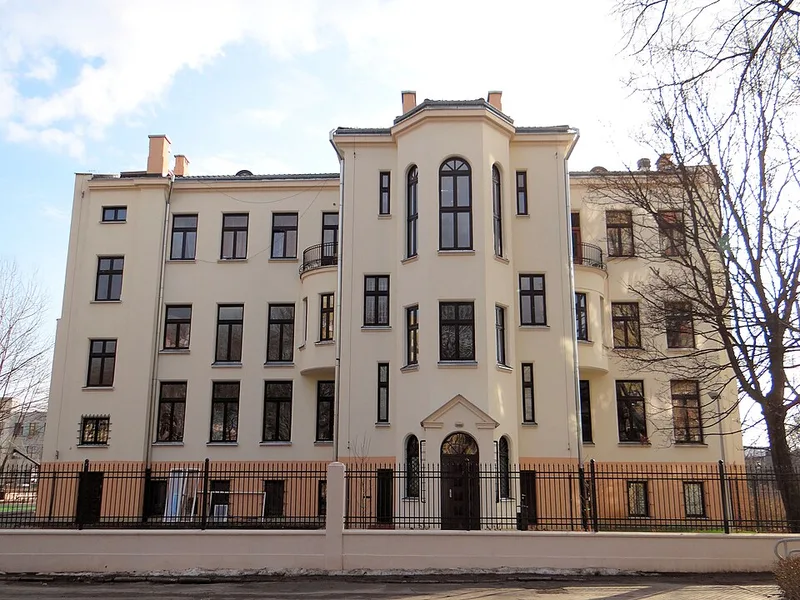
The building still functions as Children’s Home No. 2 named after Janusz Korczak - Korczakianum shares the space with a working orphanage. In the courtyard stands a bust of Korczak by sculptor Xawery Dunikowski (1979). The attic - where Korczak lived in a room with a distinctive semi-circular window - was not reconstructed after the war.
Tips
- Korczakianum receives organised groups (up to 50 people) on working days 10:00-16:00, after prior contact by e-mail: korczakianum@muzeumwarszawy.pl. The centre has limited public accessibility (work is ongoing on a new exhibition space).
- Free entry. The visit is more archival than museum-like - ideal for Korczak scholars, educators, students.
- Museum Night (May) - Korczakianum participates with an educational programme.
- Podcast: “Civic Economy According to Janusz Korczak” - available online.
- The building is shared with a working children’s home. Please be quiet and respectful.
- Digital collections available on the Museum of Warsaw e-Collections portal and the Korczak Digital Repository.
- Accessibility: the exhibition sits on the raised ground floor of the historic orphanage building, reached by 13 stairs, and the building has no elevator; only the front entrance (two steps) has a ramp. Disabled parking: ul. Wolska 15 (one space) and al. Solidarności 129 (four spaces).
Getting there
Tram and bus: Okopowa or Muzeum Powstania Warszawskiego stops. Veturilo bike station: Warsaw Spire.
Metro: Rondo Daszyńskiego (M2) - 12 minutes walk north.
By car: Parking on ul. Jaktorowska or nearby streets (Żytnia, Karolkowa).
In the neighbourhood
The Orphans’ Home stands in Wola, in an area with several memorial sites. Father Popiełuszko Museum (2 Hozjusza Street, 800 m north - by St Stanislaus Kostka Church), Wola Museum (12 Srebrna Street, 1 km south - branch of Museum of Warsaw in the Sikorski Palace). Further east: Pawiak Prison Museum (24/26 Dzielna Street, 1.5 km - in the former German prison).
Nearby museums
 History
Limited access
History
Limited accessMuseum of the Congregation of Sisters of Our Lady of Mercy
ul. Żytnia 3/9, 01-014 Warszawa
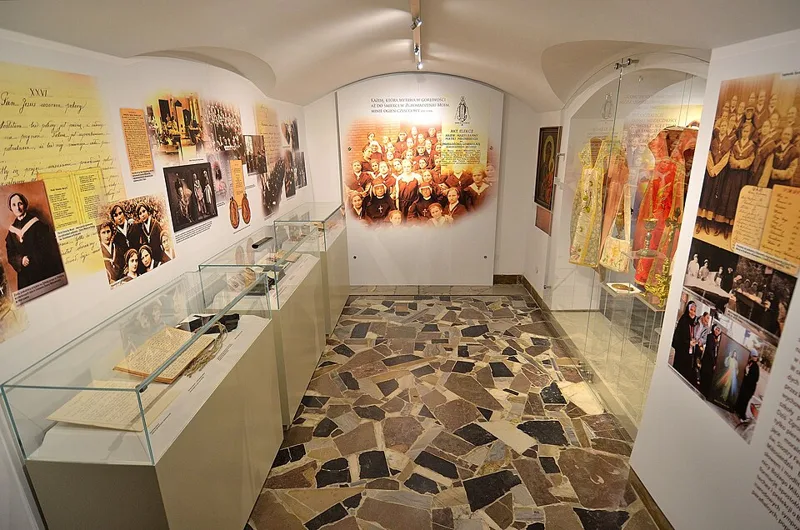
Small museum in the convent basement on Żytnia Street - where St. Faustina Kowalska knocked on the gate in 1925. Relics, habit, multimedia.
St. Zygmunt Feliński Museum
ul. Żelazna 97, 01-017 Warszawa
Museum of the Archbishop of Warsaw in Bogusławski Palace, Wola - saint canonized in 2009, friend of poet Słowacki, Siberian exile. Free …