Dom Bez Kantów Gallery
Galeria w Domu Bez Kantów
- Wheelchair: Yes
- Stroller: Yes
- Elevator: No
- Recommended age: 14+
- Stroller access: No
Location
What to expect
Dom Bez Kantów Gallery (literally “Gallery in the House Without Corners”) is the exhibition space of the Pilecki Institute at Krakowskie Przedmieście 11, in central Warsaw. The programme focuses on 20th-century history of Poland and Central-Eastern Europe - testimonies of victims of totalitarian regimes, German and Soviet occupation, resistance, and memory.
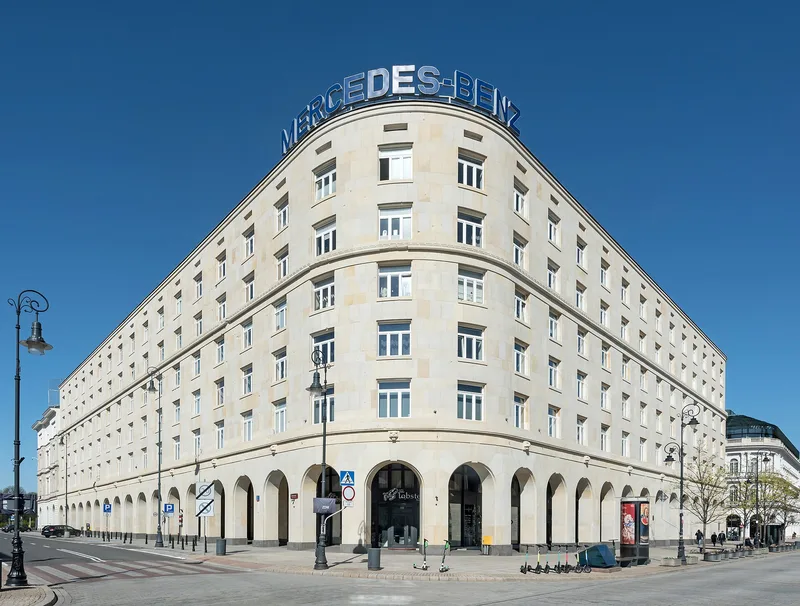
The Pilecki Institute is a Polish state cultural institution established in 2016. It researches the experience of two totalitarianisms - German Nazism and Soviet communism - and commemorates their victims. The gallery is one of the main formats through which the Institute communicates its research to a wider public: temporary exhibitions rotate several times a year and typically combine archival material, photography, documents, and witness objects.
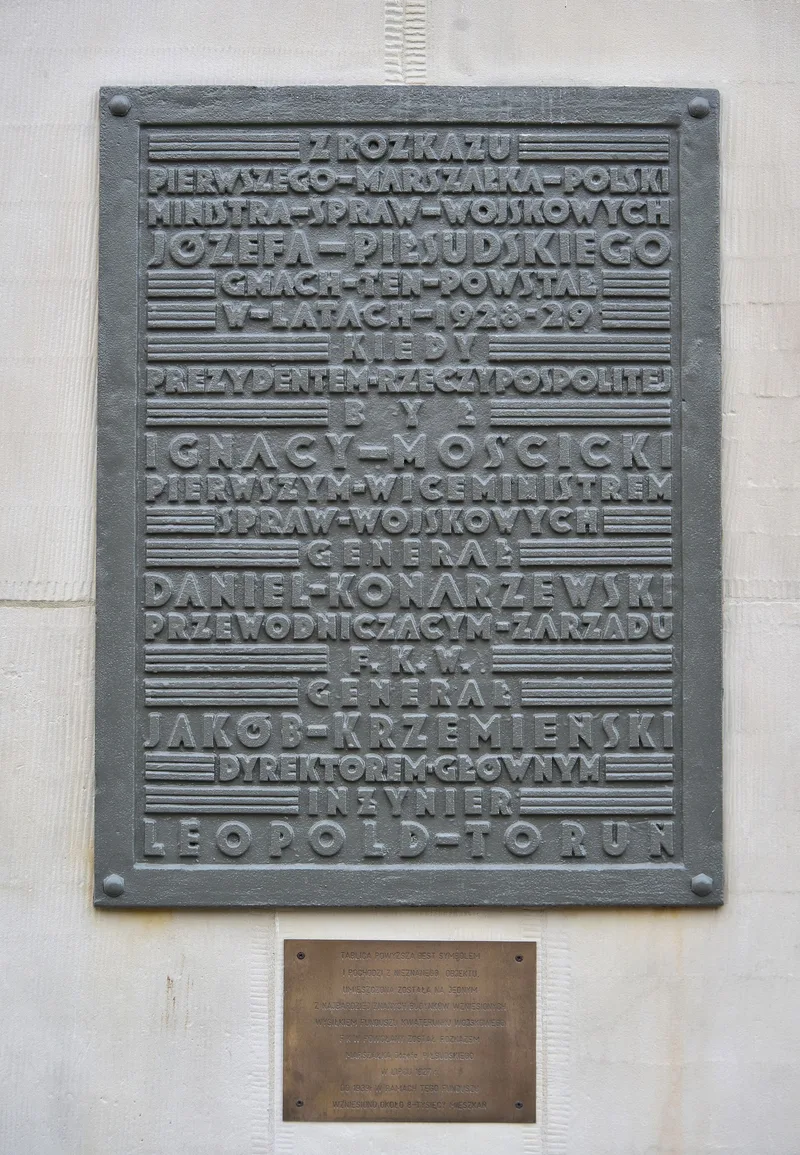
This isn’t a traditional museum with a permanent collection or a commercial art gallery. It’s closer to a history-and-memory exhibition venue - thematically tied to the Institute’s mission, but formally organised as a gallery. Come here if you’re interested in a specific temporary exhibition or in the wider subject of public-history memorial work.
Tips
- Free admission. No tickets, no reservation needed - walk in during opening hours. Last entry 30 minutes before closing.
- Thursdays until 20:00. Most days the gallery closes at 18:00, but Thursday hours extend to 20:00. A good option if you can only visit after work.
- July-August: different hours. In summer the gallery opens 11:00-19:00 (Tue-Sun, closed Mon), without the extended Thursday. Check the hours before going if you’re visiting in summer.
- Closed Mondays - year-round.
- Check the current exhibition before you visit. The site instytutpileckiego.pl lists the current show with description and dates. The programme rotates, so there’s no permanent collection to fall back on.
- Short-to-medium visit. One exhibition space - 30-60 minutes is enough, more if the show is text-heavy (testimonies, documents).
- Accessibility: the gallery is accessible to wheelchair users - exhibition staff set up a threshold ramp at the entrance, a stair platform lift reaches level -1 and the upper floor, and a barrier-free toilet with a baby-changing table is on the ground floor (per the Pilecki Institute accessibility declaration).
Getting there
Address: ul. Krakowskie Przedmieście 11, Warszawa, Śródmieście.
Metro: Nowy Świat-Uniwersytet station (M2, blue line) - a 5-7 minute walk toward Plac Zamkowy.
Tram: Lines running along Krakowskie Przedmieście (e.g. 4, 18, 35) stop right by the gallery - “Uniwersytet” or “Hotel Bristol” stop.
Bus: Multiple ZTM city-bus lines along Krakowskie Przedmieście. Check the closest stop on your route via jakdojade.pl or wtp.waw.pl.
On foot: The gallery sits on Warsaw’s main tourist axis - 5 minutes from the Presidential Palace, the University of Warsaw, and the Visitationist Church; 10 minutes from Plac Zamkowy and the Old Town.
By car: Śródmieście is inside Warsaw’s paid parking zone (SPPN) on weekdays. Krakowskie Przedmieście is partly pedestrianised, so parking directly outside is essentially impossible. Best to leave the car outside the centre and walk in.
In the neighbourhood
- University of Warsaw Museum - ul. Krakowskie Przedmieście 32, about 150 m. The first floor of the neoclassical Tyszkiewicz-Potocki Palace, whose facade is held up by four stone Atlantes of 1787; the collection includes a silver eagle of 1917 and a cork model of the Arch of Constantine.
- History Meeting House - ul. Karowa 20, about 150 m. Exhibitions, mostly of photography, on the 20th century, Warsaw and Central and Eastern Europe, and beside them the largest collection of eyewitness testimony in Poland: more than 6,600 interviews.
- Academy of Fine Arts Museum - ul. Krakowskie Przedmieście 5, about 200 m. The Baroque Czapski Palace and a collection of 27,000 objects from one of Europe’s oldest art academies, shown in rotating thematic exhibitions.