Museum and Memorial in Bełżec
Muzeum i Miejsce Pamięci w Bełżcu
- Tours in English: The museum's guides lead tours in English as well as Polish and German, for visitors over 14.
- Book a guide through the form, by phone or at rezerwacje@belzec.eu, ideally no later than a week before the visit; report changes by the day before.
- The information point sells a plan of the grounds in English, German, Hebrew and Polish, and an outline of the history in English.
- The museum's free app covers Majdanek, Bełżec and Sobibór, with an interactive map leading to the main points of the former camps.
- There is no cloakroom or left-luggage room, and part of the visit is outdoors.
Location
What to expect
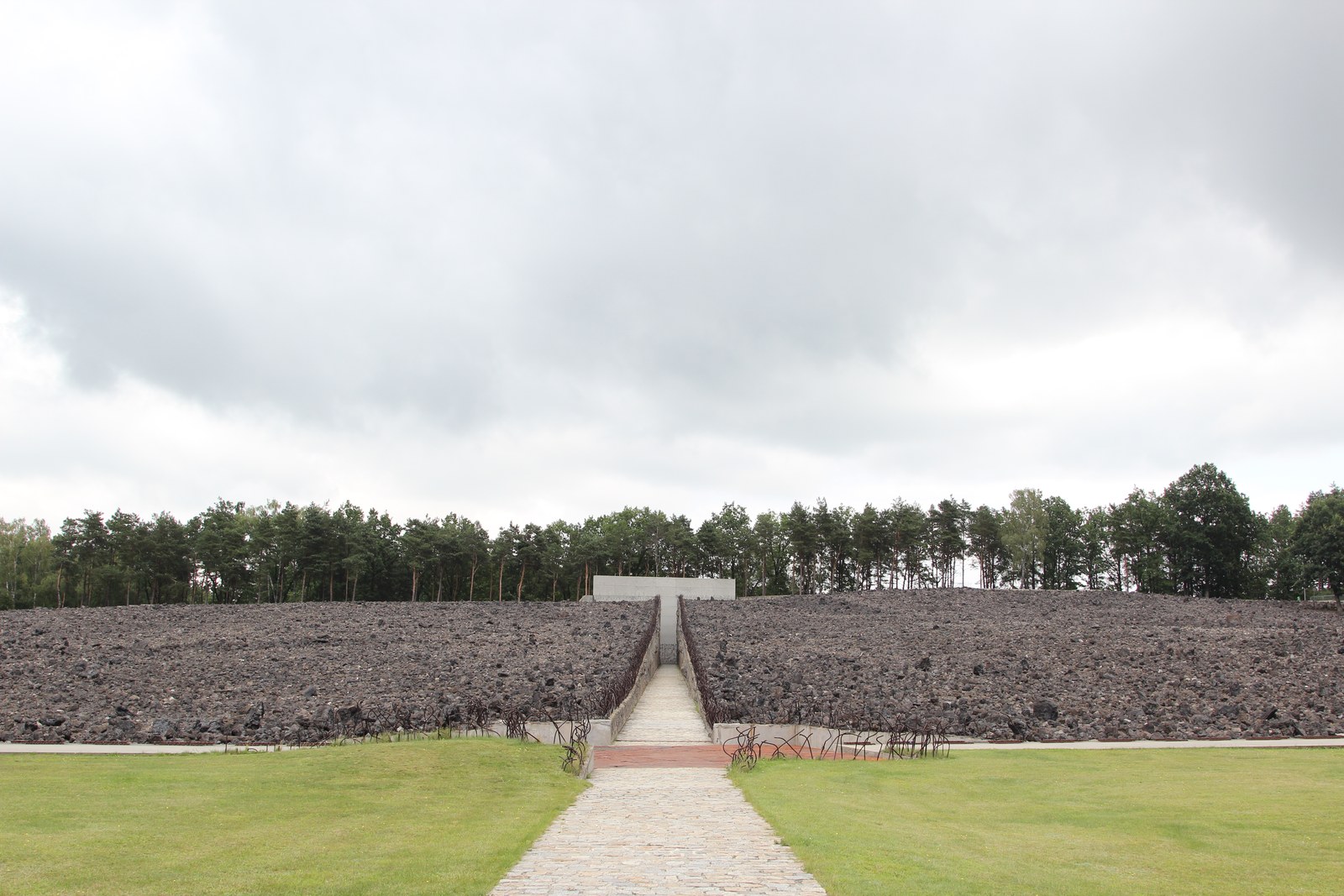
You have to come to Bełżec on purpose. The museum stands at the south-eastern edge of the village, on national road 17, which runs from Warsaw to the border crossing with Ukraine at Hrebenne. It is a branch of the State Museum at Majdanek and commemorates the German Nazi extermination camp in Bełżec, which operated from March to December 1942.
The museum states that at least 434,508 people were murdered here, mainly Jews from Poland, but also from Germany, Austria, the Czech lands and Slovakia. Only two Polish Jews survived the camp and gave accounts of how it worked - Rudolf Reder and Chaim Hirszman.
Before you come, it is worth knowing what the museum in Bełżec does not have: surviving camp buildings. After the war the site lay abandoned and plundered for two decades, and what you see today was created in 1997-2004 and is the work of architects, not a surviving relic. Archaeological research in the late 1990s located 33 mass graves on the site.
The visit has two stages. The museum building houses the permanent exhibition “Bełżec - Extermination Camp”, opened on 1 June 2004, which leads through five zones: “Life”, “Hatred”, “Deportations”, “Extermination Camp” and “Memory”. It includes personal belongings recovered from the ground during the research, a model of the gas chamber and the original sign from the undressing barrack, as well as archival photographs, film fragments and survivors’ testimonies. The exhibition ends in the empty, dark Chamber of Contemplation.
The second part is outdoors. The Crevasse (Szczelina), a path between ever higher walls that reach 11 metres at their highest point, runs through the Cemetery-Grave (Cmentarz-Mogiła). It ends at a granite wall with a quotation from the Book of Job and at the Ohel Niche, with plaques bearing the victims’ names. The walk around the Ohel Niche leads up steep steps, and plaques with the names of towns and villages stand around the Cemetery-Grave.
This is a place for people following the history of the Holocaust of Polish Jews, for families looking for a trace of their home town, and for older school students. The museum does not recommend a visit for anyone under 14, and that advice is worth taking.
Tips
- No ticket and no booking - for the grounds and the exhibition admission is free, and an individual visit needs neither a ticket nor an advance booking. The only charges are for the guide service and for driving into the car park.
- Set aside 90 minutes - about 45 minutes for the exhibition and as long again for the memorial and the Crevasse.
- Book a guide in advance - the museum has separate rates for groups of up to 10 and up to 30 people, higher in foreign languages; the prices are on the museum’s guided-tours page. Guides lead tours in Polish, English and German, for visitors over 14. Book through the form, by phone or at rezerwacje@belzec.eu, ideally no later than a week before your visit.
- Come earlier in winter - opening hours: April-October, Tue-Sun: 9:00-18:00; November-March, Tue-Sun: 9:00-16:00; closed on Mondays and on 1 and 6 January, Easter, Corpus Christi, 1 and 11 November and 24-31 December. Last entry to the grounds, and separately to the exhibition, comes before closing time; the exact times are on the museum’s opening-hours page.
- Start at the information point - staff there will suggest how to go round, and you can buy a plan of the grounds (in Polish, English, German and Hebrew) and other publications. The museum’s free mobile app adds descriptions of places, witness accounts, documents and archival photographs, and its interactive map also covers Majdanek and Sobibór.
- No cloakroom or left-luggage - the museum has neither, so if you are travelling with luggage there is nowhere to leave it. Part of the visit is spent outdoors, so be ready for changeable weather.
- Respect for the place - dress suited to a memorial site and a necropolis is expected, smoking tobacco and e-cigarettes is banned, and animals other than assistance dogs may not be brought in. Photographs for your own use are allowed; publishing them requires contacting the museum. Flowers and candles are laid at the Ohel Niche.
- Partial accessibility - the exhibition building has no thresholds and has an accessible toilet, the information point has an induction loop, and there is a marked bay for disabled visitors in the car park. The path to the Ohel Niche is paved with stone setts, difficult for a wheelchair without pneumatic tyres, and the walk around the Ohel Niche and the area around the Cemetery-Grave remain inaccessible to visitors with limited mobility. There is no one on site who uses Polish Sign Language.
Getting there
By car - the museum stands on national road 17, on the route from Warsaw to the border crossing at Hrebenne; from the direction of Krakow, via Rzeszów and Jarosław, the approach is regional road 865. You drive onto the museum grounds, where a one-off entry and parking fee, depending on the vehicle, is charged; the rates are on the museum’s practical information page.
By train - a direct train runs from Lublin to Bełżec; check the timetable at rozklad-pkp.pl. The station is about 400 m from the museum.
By bus - minibuses from Lublin and from Warsaw run to Tomaszów Lubelski, and from there services towards Lubycza Królewska stop in Bełżec. The stop is about 100 m from the museum, on the same national road.
By bike - while you visit, you can leave your bike at no charge in the racks by the museum.
Nearby
North of Bełżec, in Tomaszów Lubelski, you will find these places covered on this site (distances as the crow flies):
- Janusz Peter Regional Museum in Tomaszów Lubelski, ul. Wyspiańskiego 8a - about 8.6 km.
- Memorial Chamber of Communist Terror, ul. Lwowska 64 - about 8.9 km.
The history of the death camps continues at the Museum and Memorial in Sobibór, the other branch of the same institution, which commemorates one of the three centres of Operation Reinhardt. If you want to see a camp whose buildings survive - which Bełżec lacks - go to the State Museum at Majdanek in Lublin, the parent museum of both sites.
Background
For two decades after the war the camp site lay abandoned and plundered; the first modest monument went up only in 1963. In 1997 an international jury chaired by Professor Maciej Gintowt decided the competition for the design of a new memorial, to which nine entries were submitted.
The museum was established as a branch of the State Museum at Majdanek on 1 January 2004, and its first head was Robert Kuwałek. The new memorial complex was unveiled on 3 June of the same year.
Temporary exhibitions here
Stories from Górna Street
19 September 2026 - 31 December 2026
Błażej Mysiak's photographs of the old Jewish cemetery in Leżajsk at the Museum and Memorial in Bełżec, until the end of 2026; admission free.
Nearby museums
 History
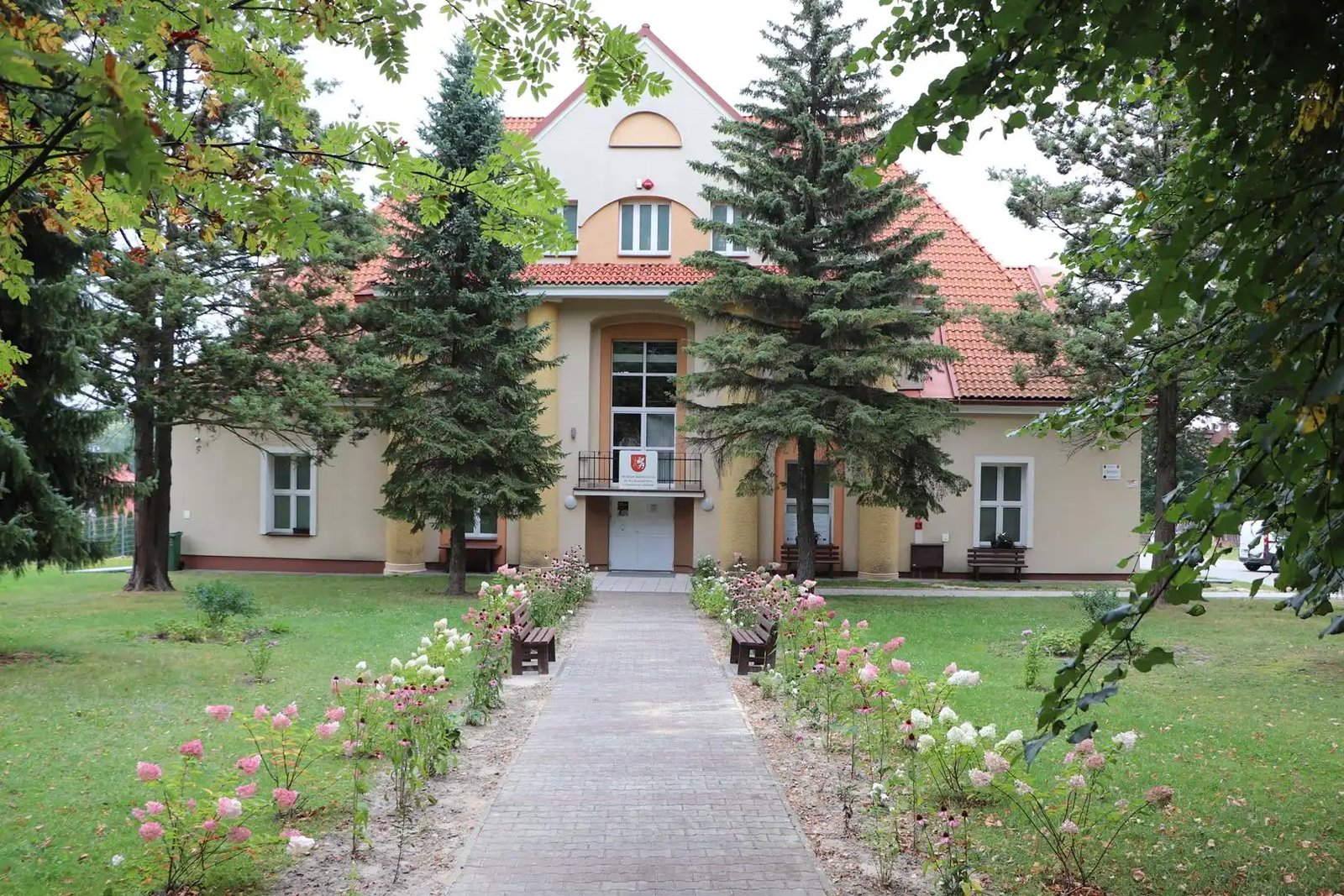
Janusz Peter Regional Museum in Tomaszów Lubelski
ul. Wyspiańskiego 8a, 22-600 Tomaszów Lubelski
Janusz Peter Regional Museum in Tomaszów Lubelski: some 15,000 objects and a permanent display on the September 1939 battles fought here. …
 History
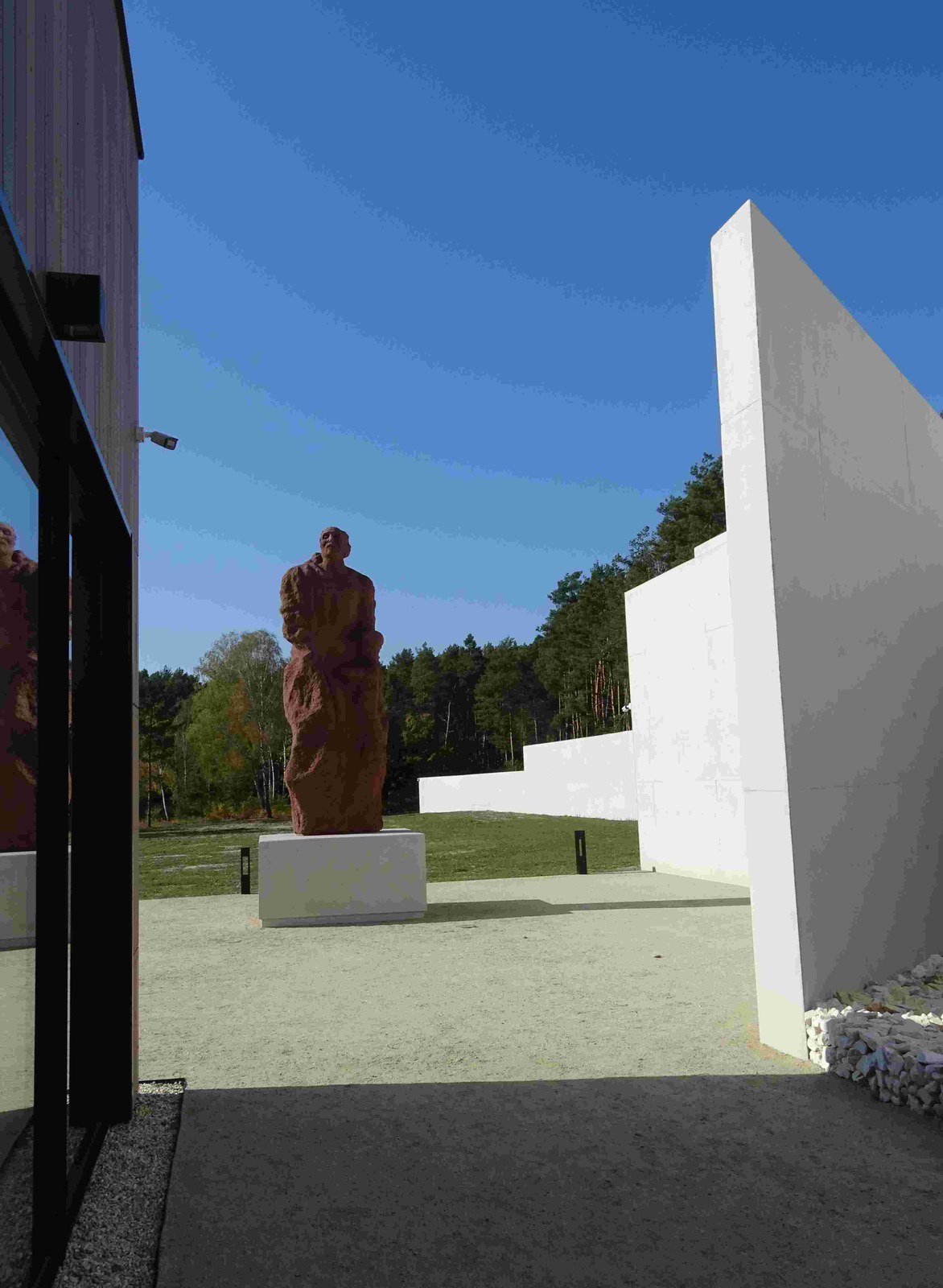
Museum and Memorial in Sobibór
Żłobek 101, 22-200 Włodawa
Sobibór extermination camp 1942-1943: the museum in its present form since 2023, over 700 objects, mostly belongings of the murdered, the …
 History
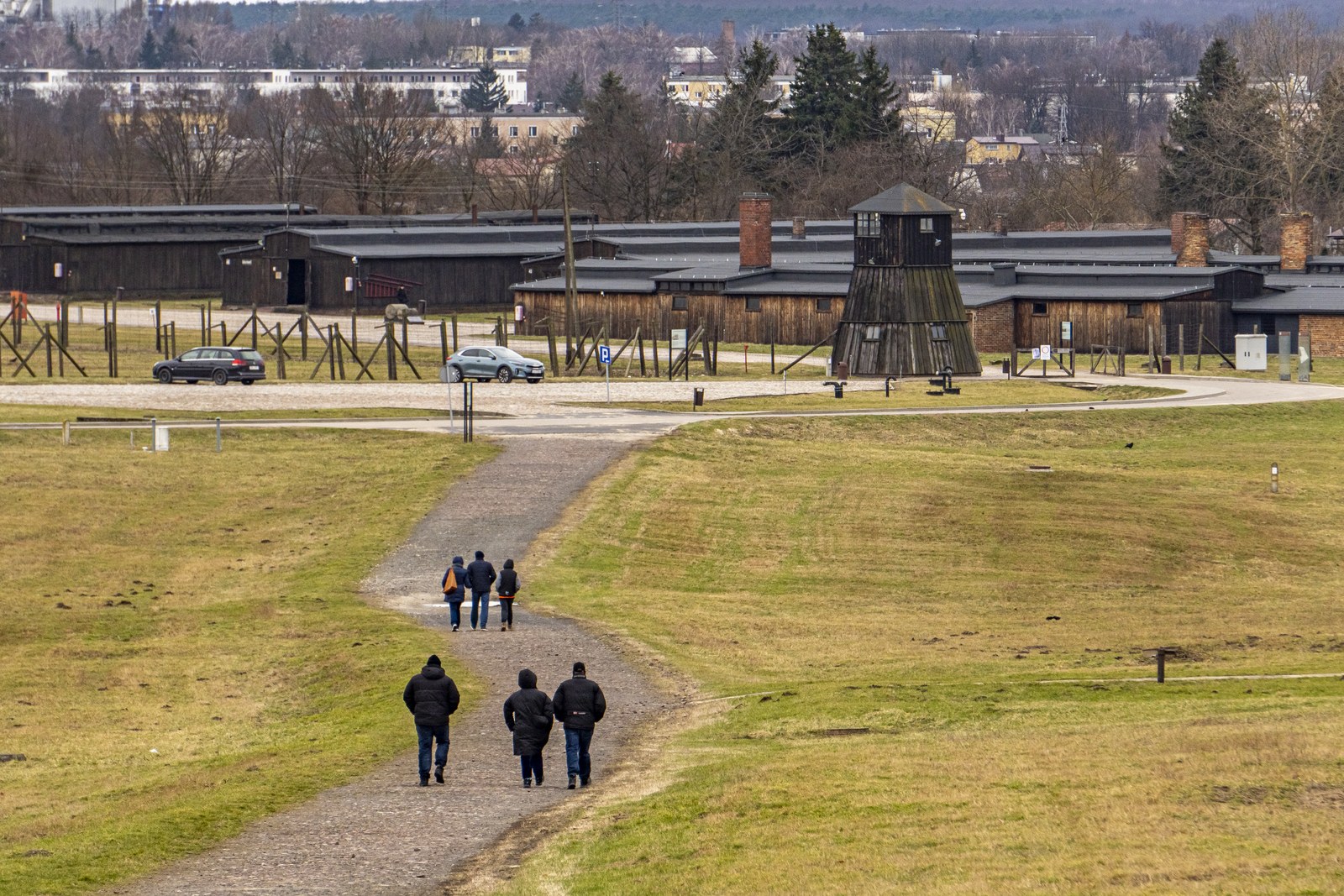
State Museum at Majdanek
ul. Droga Męczenników Majdanka 67, 20-325 Lublin
The Lublin concentration camp memorial at Majdanek: 70 surviving KL Lublin buildings, the Prisoners of Majdanek exhibition and a route of …